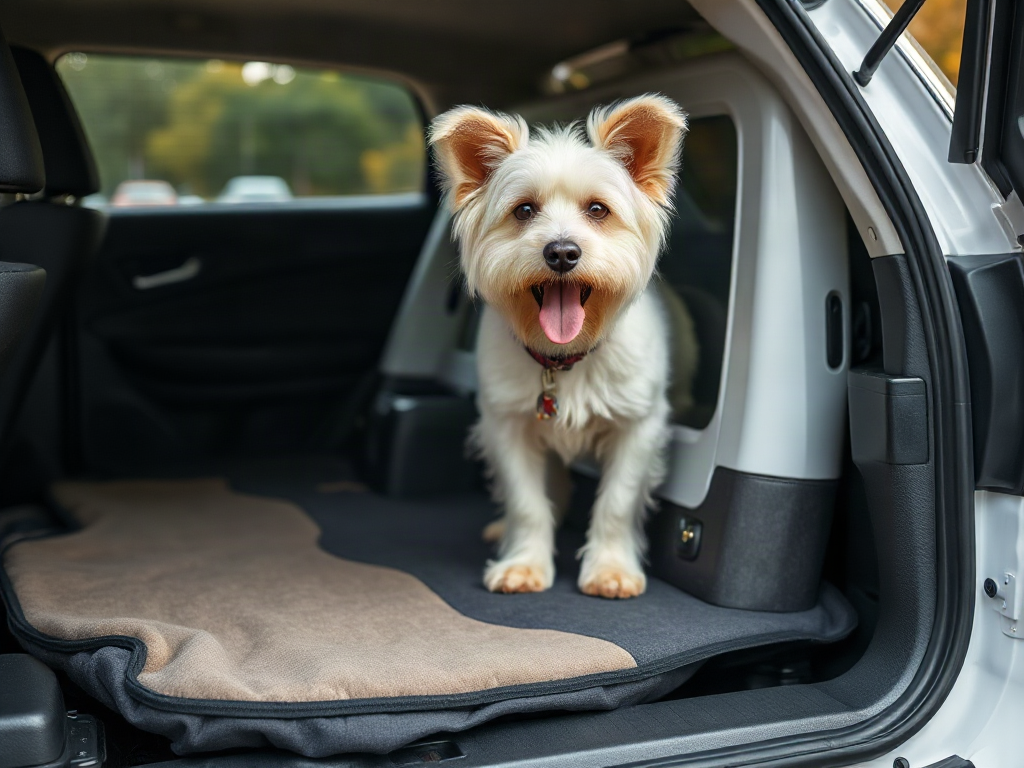
Pet taxi carriers for short-distance animal transport should give the animal enough room to stand, turn, and lie down while providing secure closures, airflow, a stable floor, and safe vehicle restraint. Before pickup, confirm the animal’s measurements, mobility needs, temperament, and the taxi operator’s size or equipment limits. Add an absorbent liner and familiar bedding without blocking ventilation, then secure the enclosure so it cannot slide, tip, or become a projectile during braking. A short ride can still become unsafe if the carrier is undersized, poorly fastened, exposed to heat, or opened beside traffic.
Choose a Carrier That Fits the Animal and the Ride
A taxi ride may last only a few minutes, but duration does not excuse a poor fit. The enclosure should let the passenger stand in a natural posture, turn without becoming wedged, and lie down without being forced into a tight curl. Measure from the nose to the base of the tail for usable length and from the floor to the top of the head or ears for height. Use the animal’s actual dimensions rather than relying only on a manufacturer’s suggested weight range.
Extra space is not automatically safer. An oversized enclosure may allow a small cat or dog to be thrown against a hard wall during a sudden stop. A carrier that is slightly larger than the animal’s functional space needs is usually more manageable than one designed for prolonged residence. Thick bedding also reduces interior height, so evaluate fit after the liner and bedding are installed.
Hard-sided and soft-sided models serve different passengers. A rigid plastic enclosure generally offers better structural protection, contains urine or vomit more effectively, and resists clawing. It is often the practical choice for frightened cats, strong small dogs, rabbits likely to chew fabric, or animals being collected by an unfamiliar driver. A well-built soft carrier can be easier to carry through apartment halls and fit on a vehicle seat, but mesh panels and zippers require close inspection.
Mobility changes the decision. An elderly dog with joint stiffness may need a wide front opening and a low entry lip. A recovering animal may require a rigid, level base that does not sag under its body. If movement must be restricted for medical reasons, obtain instructions from the treating veterinary clinic rather than improvising with a smaller carrier. Taxi operators may transport animals, but they should not be expected to decide what is safe for an injury.
Species-specific behavior matters as much as dimensions. Cats often prefer partial visual shelter, while rabbits need ventilation without direct drafts and may chew exposed fabric or foam. Birds require purpose-built transport arrangements that protect them from temperature swings and prevent a perch from becoming hazardous during movement. The broader comparison of Pet taxi carriers for short-distance animal transport should therefore begin with the passenger, not with whichever enclosure is easiest to store.
Check Construction, Ventilation, and Escape Security
Carrier security depends on the complete structure rather than one strong-looking door. Inspect the shell, seams, handle attachments, zipper tracks, latches, and the connection between the top and bottom halves. A cracked shell or missing assembly fastener can separate when lifted, even if the door itself remains locked. Perform the inspection while the enclosure is empty, then lift it with a safe substitute load before placing the animal inside.
Ventilation openings should remain exposed when the carrier is positioned in the taxi. Mesh on three sides offers little value if luggage, blankets, or a seat back blocks those panels. Airflow is especially relevant in warm weather, in slow traffic, and for flat-faced animals that may have less tolerance for respiratory stress. The vehicle cabin should be brought to a suitable temperature before loading; an open window is not a reliable substitute for controlled cabin ventilation.
Door design deserves close attention during handoffs. Spring-loaded metal doors and locking plastic latches can be easier to verify visually than loose zipper pulls. On a soft enclosure, paired zipper pulls can sometimes separate under pressure from an animal’s nose or paws. A purpose-made zipper clip may provide backup security, but improvised wire, tight cable ties, or complicated knots can delay access during an emergency. Never padlock a carrier in a way that prevents rapid opening.
Handles are for carrying, not necessarily for restraining the enclosure in a moving vehicle. A seat belt loop, manufacturer-designated anchor point, or another vehicle-compatible restraint feature is preferable to routing a belt through a decorative handle. Follow the enclosure maker’s instructions where available, because crushing a soft wall with a belt or placing force on a weak handle may create a different hazard. If the taxi service provides its own restraint system, ask how it connects before pickup.
A compact inspection should cover six points:
- Fit: The animal can stand, turn, and rest naturally.
- Closures: Every latch or zipper closes fully and resists pawing.
- Structure: The floor stays level and the shell has no cracks or loose joints.
- Airflow: Openings are clean and will remain unobstructed in the vehicle.
- Restraint: The taxi can secure the carrier without deforming it.
- Identification: Contact details are attached without covering ventilation.
The common mistake is treating a familiar enclosure as automatically roadworthy. Storage, chewing, repeated washing, and ordinary wear can weaken components gradually. Recheck the carrier before every booking, even if the previous trip was uneventful.
Prepare the Carrier Before the Taxi Arrives
Preparation should reduce handling at the curb. Place an absorbent pad beneath a thin, washable layer so liquid does not pool around the animal. Keep spare pads, waste bags, and a small cleaning cloth outside the carrier in a separate bag. Loose bowls, toys, and hard objects can shift during braking, so include only items that have a clear purpose and cannot strike or entangle the passenger.
Familiar scent can make the enclosure less novel, but more bedding is not always better. A small blanket or cloth used at home may be enough. Bulky cushions can trap heat, reduce headroom, or slide under an unsteady animal. Avoid heavily scented cleaners immediately before departure, and make sure any cleaning product has dried completely before loading.
Introduce the carrier before pickup whenever circumstances allow. Leave it open in a quiet room, place familiar bedding inside, and allow voluntary investigation. For a cat, putting the enclosure out well before the appointment is usually less disruptive than retrieving it from storage when the taxi is already waiting. If voluntary entry is unrealistic, move the animal into a closed interior room before opening an exterior door. Curbside loading creates an avoidable escape route.
Food timing should reflect the individual animal and any veterinary instructions. A large meal immediately before motion may contribute to nausea in some passengers, but fasting is not appropriate for every animal, age, or medical condition. Water needs also vary with weather, health, and trip length. Ask a veterinarian about timing when the passenger is very young, has diabetes, takes medication with food, or has a history of motion sickness. Do not give sedatives or calming medication unless a veterinarian has prescribed or approved them for that animal and trip.
Give the operator concise, usable information before arrival: species, current weight, carrier dimensions, pickup access, destination, and whether the owner will accompany the animal. Disclose fear-related behavior, handling restrictions, mobility limitations, contagious illness concerns, or a tendency to soil the enclosure. A note such as “cat may bolt if the door opens” is more actionable than “nervous traveler.” For additional planning details, the site’s coverage of Pet taxi carriers for short-distance animal transport can help owners distinguish passenger preparation from vehicle requirements.
Preparation is working when the carrier remains level, the closures stay untouched, and loading can occur without transferring the animal outdoors. Repeated lunging at mesh, labored or open-mouth breathing, collapse, uncontrolled vomiting, or escalating distress requires attention rather than an assumption that the short distance makes it harmless. Contact a veterinary clinic promptly when symptoms may represent a medical problem.
Manage Pickup, Vehicle Restraint, and Arrival
Pickup should be planned as a controlled transfer from building to vehicle. Confirm the taxi’s identity before bringing the animal outside, clear the path of obstacles, and keep the enclosure closed from the secure indoor loading point until arrival inside another secure space. Carry rigid carriers from underneath when practical instead of trusting a top handle alone. Supporting the base also reduces tilting and gives an unsteady passenger a more predictable surface.
Inside the vehicle, the preferred location is a flat, stable area where the carrier can be restrained and protected from direct sun, active airbags, loose cargo, and foot traffic. The exact position depends on the vehicle and carrier design. A rear seat may permit use of an approved belt path, while a level cargo area in an appropriate vehicle may offer better stability for a larger enclosure. The carrier should not ride unrestrained on a passenger’s lap or front seat.
Test movement before departure. With the animal enclosed and the vehicle stationary, apply gentle pressure to see whether the carrier slides, rotates, or tips. Restraint should limit movement without crushing ventilation panels or bowing the door. Towels wedged loosely around an enclosure are not equivalent to attachment; they may reduce rattling but cannot be assumed to hold the carrier during abrupt braking.
The passenger should remain enclosed throughout the ride. Opening a door to comfort a vocal cat or small dog creates an escape risk and can distract the driver. Quiet conversation and smooth driving may be less stimulating than repeated touching through ventilation openings. The driver should avoid abrupt acceleration when traffic permits, but no owner should assume careful driving removes the need for restraint.
At the destination, carry the closed enclosure into a secure room before opening it. For a veterinary appointment, follow the clinic’s arrival instructions and keep distance from unfamiliar animals in the waiting area. For a home delivery, verify that exterior doors and accessible windows are shut first. A tag on the carrier should include a current phone number, destination, animal’s name, and relevant handling warning; medical details can be supplied in a separate document rather than displayed publicly.
The weakest handoff is one based on assumptions. Confirm who is authorized to release and receive the animal, whether stairs or elevators affect access, and what happens if nobody answers at the destination. Owners booking Pet taxi carriers for short-distance animal transport should also ask whether the operator cleans shared equipment between passengers and whether personal carriers are required. Clear responsibility at both ends prevents the animal from waiting unnecessarily in a parked vehicle or unsecured public area.
Frequently Asked Questions
Can a regular soft carrier be used in a pet taxi?
Yes, if it fits the animal, closes securely, has a supportive floor, and can be restrained without collapsing. Choose a rigid model instead when chewing, clawing, leakage, or structural protection is a concern.
Should the carrier be placed on the taxi floor or a seat?
Use the position that provides a level surface and a compatible restraint method. Avoid front seats with active airbags, direct sunlight, and any location where the enclosure can slide or be struck by loose cargo.
Can I open the carrier during a short ride?
Keep it closed until the animal is inside a secure room at the destination. Opening it in the vehicle can cause escape, interfere with driving, and make safe unloading harder.
What should I put inside a taxi carrier?
Use an absorbent liner and a thin familiar cloth that does not obstruct airflow. Remove loose bowls, hard toys, thick bedding, and anything that could shift, spill, or reduce usable space.
What information does a pet taxi operator need?
Provide the species, weight, enclosure dimensions, pickup and destination details, access constraints, mobility needs, behavior warnings, and whether a person will accompany the animal. Mention any veterinary handling instructions before booking.
Conclusion
A safe taxi transfer is built around fit, containment, ventilation, stable restraint, and a controlled handoff. Measure the animal rather than trusting a weight label, inspect every closure and structural joint, and confirm how the enclosure will be secured before the vehicle arrives. Prepare the liner and identification indoors, then keep the passenger enclosed from the departure room to a secure room at the destination.
Ask the operator about vehicle space, cleaning practices, loading assistance, and responsibility at arrival. If the animal has breathing difficulty, major mobility limits, a recent procedure, or severe transport distress, seek veterinary direction instead of treating a brief ride as low risk. The next practical step is to inspect the carrier with its bedding installed and send its external dimensions, along with the animal’s handling needs, to the taxi service.
Further Reading
Authoritative Sources
- AAHA Pet Health Resources
aaha.orgPet-health guidance from the American Animal Hospital Association.
- ASPCA Pet Care
aspca.orgHumane animal care, behavior, and safety resources.