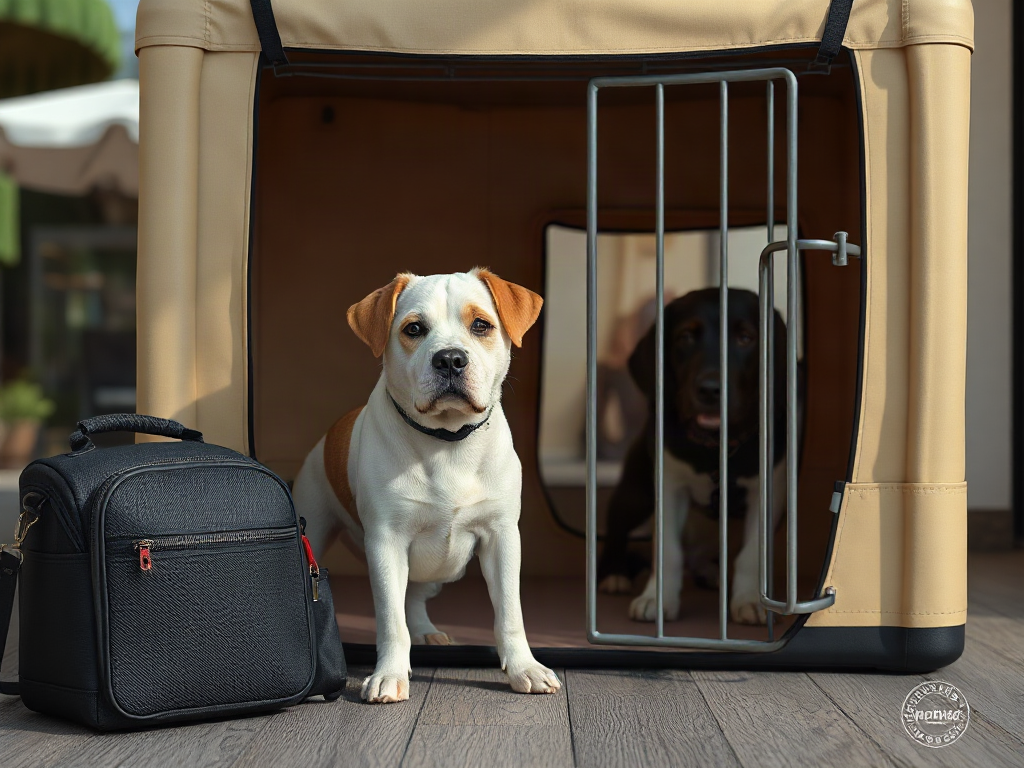
Portable dog kennels for hotel stays work best when they fit the room without blocking walkways, contain a familiar washable bed, and open without rattling or scraping the floor. Choose a kennel large enough for the dog to stand, turn, and lie naturally, but compact enough to place away from the door and housekeeping traffic. A soft-sided model favors quiet handling and easy storage, while a rigid or wire design offers more structure for dogs that push, scratch, or chew. Confirm the hotel’s rules before arrival, protect the floor, and never leave a dog unattended unless both the property policy and the dog’s established kennel behavior allow it.
Which Portable Kennel Suits a Hotel Room?
The most suitable design depends on how the dog behaves when confined, how the kennel will be transported, and how much room the accommodation provides. Portability alone is a weak buying criterion. A lightweight enclosure that collapses neatly may be convenient in the car but unsuitable for a dog that paws at mesh, leans against flexible walls, or works at zippers.
Soft-sided kennels are generally the quietest option to carry through a lobby and assemble in a room. Their fabric panels do not clang, and many fold into a flat package. They are a practical match for a calm, kennel-trained dog that does not chew or scratch at the enclosure. Their limitations become apparent with determined dogs: mesh can tear, zipper pulls can be manipulated, and flexible sides may buckle if the dog throws its weight against them.
Folding wire kennels provide ventilation, visibility, and a defined structure. They can suit dogs that settle better when they can see the room, but the tray and metal joints may rattle whenever the dog changes position. A wire unit also needs a protective layer underneath so it does not mark hard flooring or snag carpet. Covering selected sides with a familiar blanket may reduce visual stimulation, but the cover must not obstruct airflow or become reachable by a dog likely to pull fabric through the bars.
Rigid plastic kennels usually offer more enclosure and fewer flexible escape points. They may be appropriate for a dog that prefers a den-like space or needs sturdier walls. The tradeoff is bulk: even a kennel that separates into two shells can occupy substantial vehicle and hotel-room space. Handles and fasteners should be checked before every trip because repeated loading can loosen components.
| Kennel Type | Strongest Hotel Use | Main Limitation |
|---|---|---|
| Soft-sided | Quiet setup for settled, non-destructive dogs | Vulnerable to chewing, scratching, and zipper pressure |
| Folding wire | Ventilated structure with compact transport | Can rattle and requires floor protection |
| Rigid plastic | More enclosed space with firm walls | Bulky to carry and store |
A common mistake is choosing the smallest folded package rather than the safest assembled enclosure. Judge the kennel in its working form: inspect seams, latches, ventilation, base stability, and any openings the dog can reach. If the dog has never rested calmly in that design at home, a hotel is a poor place to test it for the first time.
How Should You Size and Position the Kennel?
A hotel kennel should let the dog stand without crouching, turn without becoming wedged, and lie in a natural resting posture. Excess interior space is not automatically better. An oversized enclosure takes up valuable floor area, can slide more easily on a smooth surface, and may encourage restless pacing rather than settling. Manufacturer weight labels are only a starting point because dogs of the same weight can have very different heights and body lengths.
Measure the dog while standing naturally. Compare body length, floor-to-head height, and shoulder width with the kennel’s usable interior dimensions rather than its exterior measurements. Thick bedding reduces headroom, while inward-sloping fabric walls reduce usable width near the top. Test the complete arrangement at home with the exact mat or bed intended for the trip.
Placement within the room affects both safety and noise. A spot beside the entrance may appear convenient, but footsteps, corridor voices, elevator sounds, and housekeeping activity can repeatedly trigger alert barking. A calmer location is often against an interior wall, away from the room door, heating or cooling vents, direct sun, curtains, electrical cords, and furniture the dog could pull toward the enclosure.
Keep the kennel out of the evacuation path. Guests should be able to move from the bed to the exit without stepping over panels, bags, bowls, or a leash. In a compact room, this may require moving a lightweight chair or luggage rack, but hotel furniture should not be rearranged in a way that damages the room or blocks building equipment. Ask the front desk before moving substantial items.
Floor protection should solve two problems without creating a third. A washable mat beneath the kennel can catch tracked water and reduce vibration, but a thick, slippery blanket may allow the entire unit to shift. Use a clean, non-marking layer with enough grip to remain flat. Avoid improvised pads with exposed plastic edges if the dog can reach and chew them.
Consider a room where a wire kennel fits only between the entry door and bathroom. Although it physically fits, every corridor sound reaches the dog, and the open door could strike the kennel. A slightly smaller approved room arrangement—or a more compact kennel that still meets the dog’s body dimensions—would be the safer choice. Measure both the dog and the expected floor footprint before departure rather than relying on a product label such as “medium.”
How Do You Create a Quiet Hotel Setup?
Quiet setup begins before the trip by making the travel kennel an ordinary resting place at home. A dog that associates it only with departures, unfamiliar rooms, or owner absence may become aroused as soon as it appears. Short, uneventful home sessions with the usual mat and calm release routine reveal whether the enclosure is genuinely familiar or merely tolerated when someone remains nearby.
On arrival, take the dog to an appropriate relief area before bringing it into the room. Enter calmly, inspect the floor for dropped food, medication, sharp debris, accessible cords, or cleaning residue, and then assemble the kennel. Allowing an excited dog to roam while panels are unfolding often produces avoidable barking, door rushing, or interference with latches.
The following setup order keeps equipment controlled and makes failures easier to spot:
- Inspect the location: Confirm that the spot is stable, ventilated, and clear of doors, cords, curtains, and room controls.
- Protect the floor: Lay down a clean, flat, non-slip barrier before opening the kennel.
- Assemble and test: Lock every joint, zipper, clip, and door, then press gently on the sides to check movement.
- Add familiar bedding: Use a washable item the dog already rests on rather than introducing a thick new cushion.
- Settle while present: Remain in the room long enough to observe breathing, posture, vocalizing, scratching, and reactions to hallway sounds.
Noise should be reduced at its source. A fitted pad under a wire tray is more reliable than trying to silence rattling later with loose towels. Remove dangling identification tags only if doing so is safe and the dog remains identifiable by another method; tags can strike metal bars, but collars and attachments can also create snag risks inside some enclosures. Follow the kennel maker’s instructions about collars and internal accessories.
Familiar scent may help the room feel less novel, but bedding should not be used as a substitute for established confinement comfort. A dog that pants heavily, drools unusually, bites the door, repeatedly lunges at the sides, or cannot settle while the owner is present is not showing a successful setup. More covering, a louder television, or immediate owner departure may intensify the problem rather than solve it.
Hallway sound can be managed partly through room choice. A room away from elevators, ice machines, service closets, and exterior exit doors may have fewer sudden triggers, though availability is never guaranteed. White noise from a device already accepted by the dog may soften intermittent sounds, but volume should stay moderate and must not prevent the dog or owner from hearing alarms and urgent announcements.
What Should You Check Before Leaving the Room?
Leaving a kenneled dog alone is appropriate only when the hotel permits it and the dog has already demonstrated calm confinement without the owner. A property described as pet-friendly may still prohibit unattended animals, require a specific type of enclosure, impose time limits, or ask guests to remain reachable. Obtain the current policy directly from the property rather than assuming that a booking-platform pet icon answers these questions.
Behavior at home does not perfectly predict behavior in a hotel. Corridor doors slam, unfamiliar voices pass close by, and housekeeping may knock or attempt entry. A dog that sleeps through several hours in a home kennel may become vigilant in a new room. Test the environment with a brief departure only if hotel rules allow it, then return before extending the interval. A camera can provide useful observation where lawful and permitted, but it does not make an unsafe departure acceptable or replace a person who can respond promptly.
Place any required door notice where hotel staff expect it, and coordinate housekeeping rather than relying solely on a hanger that could fall or be missed. The front desk should have a working contact number. Do not leave a leash attached to the dog inside the kennel, and remove bowls or accessories that could spill, snag, or break unless they are designed for safe kennel use. Water needs vary with the dog, room conditions, and length of confinement; seek individualized veterinary guidance when health conditions affect drinking or temperature tolerance.
Signs that the arrangement is working include resting posture, periods of sleep, quiet repositioning, and lack of sustained attempts to escape. Repeated barking, escalating scratching, bent hardware, torn mesh, displaced trays, or elimination despite an appropriate relief break indicate failure rather than stubbornness. Continuing to leave after those signs risks room damage, neighbor complaints, and injury.
The better alternative may be keeping the dog with you, using a reputable local sitter or daycare that meets the dog’s needs, or adjusting the itinerary. A kennel is a management tool, not permission to leave any dog in any room. Dogs with separation distress, destructive escape behavior, medical limitations, or no prior kennel experience need a different plan. When behavior raises welfare or injury concerns, consult a veterinarian or qualified behavior professional before travel.
Frequently Asked Questions
Are Soft-Sided Kennels Safe for Hotel Use?
They can be suitable for calm dogs that do not chew, scratch, push against mesh, or work at zippers. A rigid or wire option is usually more appropriate when the dog has tested flexible walls or closures.
Can a Dog Be Left Alone in a Hotel Kennel?
Only if the property allows unattended dogs and the dog is already comfortable being kenneled alone. Confirm the policy directly, provide a reachable contact number, and stop departures if the dog shows escalating distress or escape behavior.
What Should Go Under a Portable Kennel?
Use a clean, washable, non-marking layer that lies flat and resists sliding. It should protect carpet or hard flooring without exposing chewable edges or making the enclosure unstable.
Should You Cover a Dog Kennel in a Hotel?
A partial cover may reduce visual stimulation for a dog already accustomed to it. Maintain ventilation, keep fabric beyond the dog’s reach, and remove the cover if it increases panting, pulling, or agitation.
Where Is the Best Place for the Kennel in the Room?
Choose a stable area away from the entry door, vents, direct sun, cords, curtains, and heavy foot traffic. The kennel must not obstruct the route to the room exit.
Conclusion
A successful hotel arrangement comes from matching the enclosure to the dog’s established behavior, not simply buying the lightest folding model. Measure usable interior space, test the complete setup at home, and inspect closures and structural points before each stay. Once in the room, protect the floor, avoid noisy or obstructive locations, and watch how the dog responds to corridor activity before considering any departure.
Confirm the individual property’s current rules, including unattended-animal and housekeeping procedures. If the dog scratches, vocalizes continuously, attacks closures, or cannot rest, treat those signs as evidence that the plan needs to change. Keeping the dog with you, arranging qualified care, or changing the itinerary is preferable to relying on an enclosure that is failing under hotel conditions.