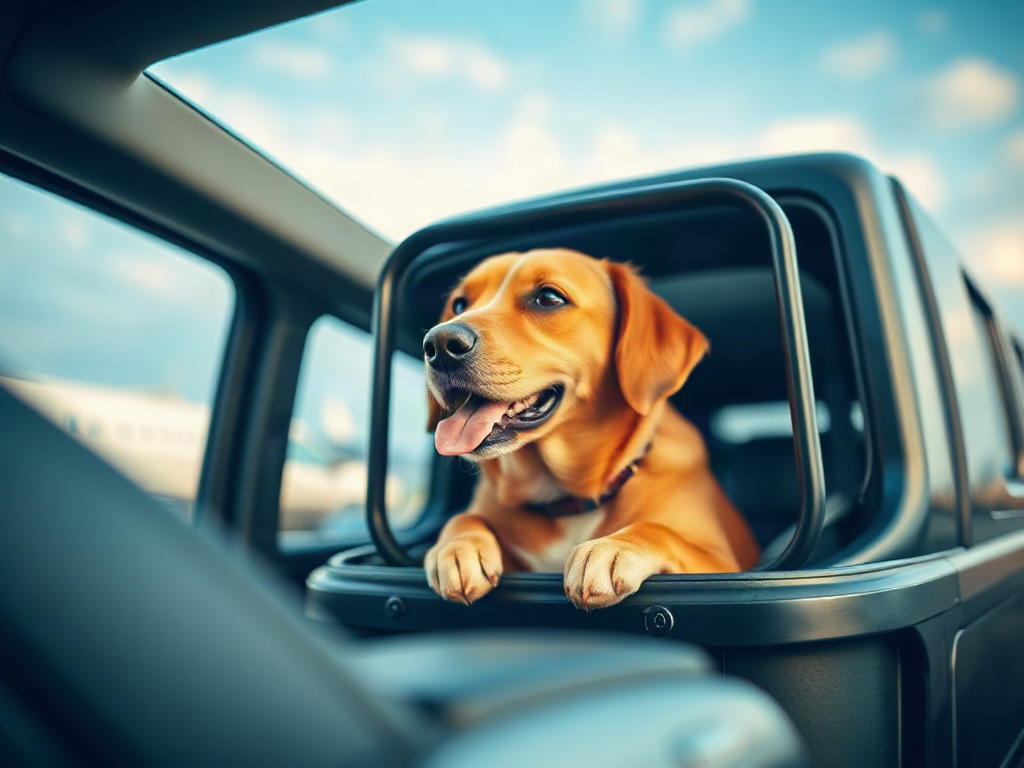
Long-distance dog transport options include private driving, professional ground service, airline cabin travel, air cargo, and charter transport, but each method has limits tied to dog size, route length, temperature, carrier dimensions, and operator rules. Driving usually offers the most control over breaks and monitoring, while flying can shorten transit time but adds stricter booking and handling constraints. Professional transport may suit owners unable to accompany the dog, provided licensing, insurance, custody procedures, and overnight arrangements are verified. Compare total door-to-door time rather than mileage alone, and confirm veterinary documentation, destination requirements, and carrier acceptance before paying.
Comparing the Main Transport Methods
Private vehicle transport provides the greatest control over departure time, temperature, rest stops, feeding, and observation. It is often the practical choice for dogs that are too large for an airline cabin, become distressed around unfamiliar handlers, or need a slower schedule. Its main limit is human endurance: a route that appears manageable on a map can become unsafe if one driver attempts excessive hours or cannot find suitable overnight lodging.
A secure crate or tested vehicle restraint should keep the dog from entering the driver’s space or becoming a projectile during sudden braking. Loose travel in the rear seat may feel comfortable, but it creates escape and collision risks at fuel stops and after an accident. Planned breaks should occur in controlled locations, with the leash attached before any door or crate latch is opened. Food portions may need adjustment around departure, but water access and the dog’s individual medical needs should not be improvised.
Professional ground transport shifts the driving and scheduling burden to a transporter. Shared transport is generally less expensive than a dedicated vehicle, although pickups and drop-offs can lengthen the route. A dog traveling several hundred miles might spend substantially longer in transit if the vehicle collects other animals along the way. Dedicated service offers a more direct schedule and clearer custody, but the higher price does not automatically establish better care. Owners should ask who drives, where dogs sleep, how animals are separated, and what happens after a mechanical problem or medical concern.
Air travel compresses the distance but not necessarily the full trip. Cabin transport is commonly limited to dogs that fit inside an accepted carrier under the seat, subject to the carrier’s rules and available pet spaces. Larger dogs may face checked-animal or cargo procedures where offered, but availability, aircraft type, route, weather, breed policies, and destination handling can narrow the choices. A nonstop flight may reduce transfers, yet airport arrival requirements and collection procedures add hours outside the flight itself.
Private or shared charter flights occupy a narrower category. They may accommodate dogs that cannot use ordinary airline services, but cost, route availability, passenger coordination, and entry formalities remain significant limits. Comparing Long-distance dog transport options and limits by door-to-door custody time produces a more useful result than comparing driving hours with scheduled flight duration.
Limits That Can Rule Out an Option
Dog size is often the first hard constraint because cabin acceptance depends on both the animal and carrier fitting within the operator’s permitted space. A label describing a carrier as “airline approved” does not guarantee acceptance across airlines or aircraft. The relevant dimensions are those published for the specific operator and itinerary, and even those may vary by equipment. Measure the dog in a natural standing position and verify the carrier’s external dimensions rather than relying on a weight label alone.
Health and behavior can impose more meaningful limits than distance. A dog with breathing difficulty, poor temperature tolerance, recent surgery, severe confinement distress, or a condition requiring close monitoring may not be suited to an unattended flight or a long shared journey. A veterinarian can assess fitness for the proposed conditions, but the owner still needs accurate details about duration, transfers, temperature exposure, and access to the dog. Sedation should never be treated as a routine shortcut for fear without veterinary direction; its effects and suitability depend on the animal and transport environment.
Weather restrictions can interrupt plans even when the departure city feels mild. The dog may encounter different conditions at a connection, cargo facility, roadside stop, or destination. Airlines and transport companies can apply temperature-related restrictions, and their thresholds or seasonal programs can change. A midday summer transfer and an early-morning nonstop departure may therefore have very different feasibility despite serving the same cities.
Legal and documentation limits become more demanding when a route crosses a state, national border, or island entry point. Health certificates, vaccination evidence, identification, import permits, parasite treatments, or arrival inspections may be required depending on the destination. The timing window for a document can matter as much as having it. Rules should be checked with the destination authority and the carrier because one does not replace the other: government permission to enter does not oblige an airline to accept the dog.
Breed and body type may also affect acceptance. Some operators restrict certain short-nosed dogs, powerful breeds, young puppies, or animals unable to meet crate requirements. These policies are operator-specific and should not be assumed from another company’s decision. A common failure is booking the owner’s ticket first and investigating the dog later. Pet capacity, route eligibility, and written confirmation should be secured before nonrefundable arrangements are made.
Matching the Method to the Dog and Route
The strongest choice balances the dog’s tolerance with the number of handoffs, total confinement time, climate exposure, and the owner’s ability to supervise. A healthy small dog accustomed to a soft-sided carrier may handle a short nonstop cabin flight more predictably than two days of driving. A large older dog that settles well in a vehicle but struggles with unfamiliar environments may be better served by a carefully paced road trip, even if it takes longer.
Start by mapping the trip as a custody sequence rather than a line between two cities. Identify who has the dog during departure, transfers, overnight periods, and arrival. Note every point where a crate will be moved, a leash attached, or a new handler introduced. Each handoff presents opportunities for delay, escape, miscommunication, or missed medication. A slightly longer direct ground route may be preferable to a faster itinerary involving multiple terminals and handlers.
Use a compact decision check before comparing prices:
- Rule out unsafe or unavailable methods: Apply health, size, weather, breed, and destination restrictions first.
- Compare elapsed custody time: Include check-in, transfers, collection, traffic, and shared-service detours.
- Count handoffs: Favor fewer transitions when the dog is fearful, reactive, elderly, or prone to escape.
- Assess supervision: Determine who can observe the dog and respond if behavior or health changes.
- Price the complete route: Include crates, lodging, veterinary documents, airport transfers, and collection fees.
Consider a cross-country relocation with a medium-sized dog that cannot travel in the cabin. Air cargo may provide the shortest calendar time, but a connecting itinerary could involve long holding periods and weather exposure. A dedicated ground transporter may take several days yet provide regular updates and avoid airport transfers. Private driving offers direct supervision but becomes a weak option if the owner must drive alone while managing a dog that cannot be left safely during meals or lodging check-in.
Preparation should test the conditions that can be tested. Crate sessions, short drives, calm loading, and waiting in a stationary vehicle with safe temperature control reveal different problems. Progress means the dog can enter, settle, turn around, and remain composed for gradually longer periods without frantic escape attempts or persistent physical distress. Repeated panting unrelated to heat, drooling, vomiting, self-injury, or refusal to settle signals that the current plan needs veterinary or qualified behavioral input rather than simply a longer rehearsal.
A review of Long-distance dog transport options and limits should therefore end with a primary plan and a feasible backup. A backup is especially valuable when weather, aircraft changes, document timing, or vehicle delays could invalidate the first choice close to departure.
Booking, Carrier, and Handover Checks
Written verification matters more than verbal reassurance when rules determine whether the dog can depart. Record the carrier model and external measurements, the dog’s size and weight, the exact route, and any connection. Ask the airline or transporter to confirm acceptance for that itinerary, not merely whether dogs are transported in general. Recheck shortly before departure because schedules, aircraft, weather programs, and operational restrictions can change.
For professional ground service, establish who has legal custody at each stage and obtain the company’s identifying information, insurance details, cancellation terms, and emergency process. Ask whether transport is dedicated or shared, how often dogs leave the vehicle, whether unrelated animals have physical separation, and whether overnight stops occur in the vehicle or another facility. Live location sharing and photo updates can add visibility, but neither substitutes for documented handling procedures and reachable human contacts.
The enclosure must suit both the dog and the transport mode. Hard-sided crates are commonly used where structural protection and secure fastening matter, while soft-sided carriers can fit cabin spaces but may collapse inward or allow a determined dog to damage mesh. Latches should close reliably without improvised modifications that conflict with operator instructions. Bedding must not consume so much interior height that the dog loses usable space, and attached bowls or absorbent material should follow the carrier’s stated requirements.
Prepare a handover packet that travels appropriately with the dog or handler. It should include identification and contact information, required health records, feeding instructions, medication directions issued for that dog, and an emergency contact who can make decisions. Keep duplicate records accessible electronically and with the receiving person. Medication should remain clearly labeled, and any administration request must be accepted by the transporter in advance rather than introduced at pickup.
On departure day, inspect the crate, collar or harness, identification, leash, and closures before loading. Avoid opening an enclosure in an unsecured parking area, terminal curb, or roadside stop. At arrival, check the dog before leaving the facility: look for abnormal breathing, injury, severe weakness, repeated vomiting, or marked disorientation. Urgent signs warrant prompt veterinary attention. Lesser stress behaviors may improve with water, a quiet decompression period, and a controlled toilet break, but persistent changes should not be dismissed as an ordinary consequence of distance.
Frequently Asked Questions
Is driving safer than flying a dog long distance?
Driving offers closer supervision and flexible breaks, but safety still depends on secure restraint, temperature control, realistic driving hours, and the dog’s health. A nonstop cabin flight may involve less total confinement for a small, calm dog.
How long can a dog remain in a transport crate?
No single duration suits every dog. Age, health, temperature, crate conditioning, water access, and opportunities to relieve itself all matter. Build the itinerary around the individual dog rather than treating a maximum travel time as a target.
Can a large dog fly in an airline cabin?
Ordinary cabin pet programs generally require the dog and carrier to fit within the airline’s permitted under-seat space. Policies differ, so confirm the exact route, aircraft, carrier dimensions, and pet reservation directly with the airline.
What should I ask a professional dog transporter?
Ask about licensing where applicable, insurance, driver identity, shared versus dedicated service, rest and overnight arrangements, animal separation, tracking, emergency procedures, references, and the complete custody timeline.
Should a dog be sedated for a long trip?
Sedation should not be used as an automatic response to travel anxiety. Discuss the dog’s health, behavior, route, and transport conditions with a veterinarian, and follow both veterinary directions and the operator’s medication policy.
Further Reading
Authoritative Sources
- USDA APHIS Pet Travel
aphis.usda.govProvides official information for taking pets from the United States to other countries and bringing animals into the country
- IATA Traveler’s Pet Corner
iata.orgExplains common air-transport preparation issues while directing travelers to confirm requirements with their airline
- CDC Bringing a Dog Into the United States
cdc.govOutlines federal entry information that owners should review before transporting a dog into the United States
- U.S. Department of Transportation: Traveling With Animals
transportation.govOffers aviation consumer information relevant to passengers arranging animal transport by air
Conclusion
A workable transport plan removes impossible choices early, then compares the remaining methods by custody time, handoffs, supervision, climate exposure, and the dog’s response to confinement. Confirm operator rules and destination documents before purchasing nonrefundable travel, and test the enclosure under calm, controlled conditions well before departure. For third-party transport, document who handles the dog, where overnight stops occur, and how emergencies are managed. The cheapest or fastest quotation may conceal extra transfers, shared-route delays, or collection costs. Once the primary route is confirmed, prepare duplicate records, secure identification, a receiving contact, and a backup for weather or schedule disruption. Those checks create a plan based on the dog’s actual limits rather than assumptions about distance alone.