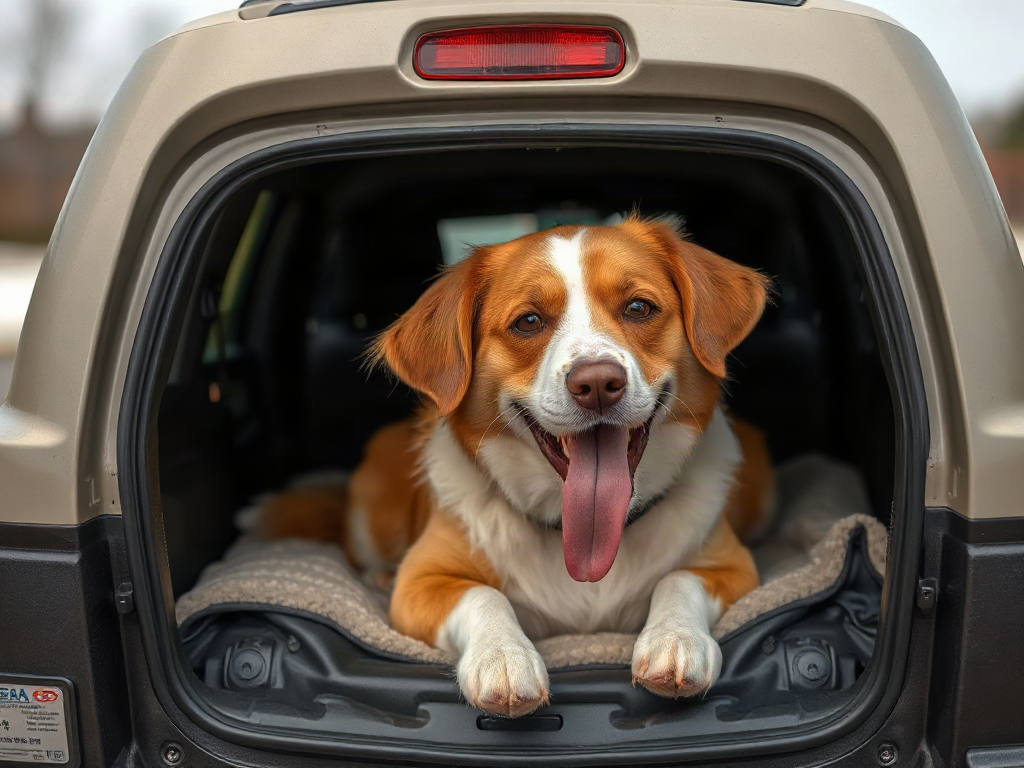
Dog carriers with removable privacy panels work well when the cover reduces distracting sights without trapping heat, blocking airflow, or preventing the handler from observing the dog. Look for independently adjustable panels, substantial uncovered mesh, secure fasteners, and a carrier that remains stable when a panel is opened or removed. The panel should create partial visual shelter rather than a sealed enclosure, especially in warm terminals, vehicles, or waiting areas. Fit still comes first: the dog needs enough usable interior room to change position comfortably, while gradual practice reveals whether added privacy actually promotes settling or instead causes panting, scratching, or escape attempts.
What Do Removable Privacy Panels Actually Do?
A removable panel changes how much movement, light, and nearby activity a dog can see from inside a carrier. It may cover one mesh wall, several sides, or only the upper portion of a viewing area. Unlike a fixed fabric wall, an adjustable panel lets the handler expose more mesh in a quiet location and restore visual shelter in a busy queue, hotel lobby, or veterinary waiting room.
The practical benefit is control over visual input. A dog that watches every passing suitcase, shoe, or animal may remain alert instead of resting. Reducing that view can make the interior feel less exposed. The effect is individual, however. Some dogs settle behind a side panel but become uneasy when the front entrance is covered. Others relax only when they can see their handler. A privacy feature should therefore be treated as an adjustable environmental tool, not proof that a carrier will calm every dog.
Partial coverage is usually more useful than an all-or-nothing cover. For example, a dog riding on public transportation may benefit from a closed aisle-facing panel while the handler-facing side remains open. That arrangement limits close visual encounters without removing all orientation cues. By comparison, draping a blanket over an ordinary carrier is difficult to control: the fabric can slip, obstruct several vents at once, or hang near the dog’s face.
Privacy panels do not address poor fit, motion discomfort, overheating, unfamiliar confinement, or separation distress. A dog that is panting heavily, repeatedly turning, biting mesh, or pushing at a door may be uncomfortable for reasons unrelated to visibility. Closing another panel in response can conceal the warning rather than solve it. The better response is to assess temperature, airflow, body position, travel motion, and the dog’s ability to see the handler.
A useful panel system gives the owner choices while leaving the carrier functional without the panels. It should not be necessary to close every cover to keep loose fabric out of the way, nor should removing one panel expose abrasive fasteners inside. The strongest designs preserve ventilation and structural shape in every intended configuration.
How Should You Evaluate Panel Design and Airflow?
Evaluate the carrier with each panel fully open, partly deployed, closed, and removed. Product photographs often show only the neatest configuration, while everyday usability depends on where the loose panel goes, how securely it attaches, and how much mesh remains exposed. Roll-up covers should fasten tightly enough that they do not drop against a vent or invite chewing.
Airflow deserves priority over maximum darkness. Mesh on an uncovered wall does not guarantee good circulation if the other sides are pressed against luggage, a seat, or the handler’s body. Warm conditions, direct sun, and a dog’s own body heat can make a heavily covered soft carrier uncomfortable. A solid privacy panel is safest when substantial vents remain unobstructed on more than one surface and the handler can check conditions without dismantling the carrier.
Inspect the attachment method from both sides. Snaps and zippers generally hold a defined position, although they add hardware and seams. Hook-and-loop strips are quick to adjust but may collect hair, make noise, or present a chewable edge. Magnets can be convenient, yet the closure should be tested under movement rather than assumed secure. A removable panel that detaches too easily may become loose inside a vehicle or terminal.
Use this compact inspection order before comparing cosmetic features:
- Ventilation: Confirm that closing one panel leaves generous, unobstructed mesh elsewhere.
- Observation: Check whether you can see the dog’s face and breathing without opening the main door.
- Panel control: Open, secure, and remove each cover while holding the carrier as you would during travel.
- Interior finish: Feel for exposed zipper ends, stiff fasteners, dangling cords, or rough seams.
- Cleaning: Determine whether hair, drool, and dirt can be removed from the panel and its attachment points.
Panel material also affects use. A thin opaque textile is light and easy to fold, but it may flap or transmit bright light. A padded panel can hold its shape and dampen some visual activity, though it adds bulk and may retain warmth. Water-resistant fabric is convenient for surface cleaning, but it should not be mistaken for breathable mesh. The right tradeoff depends on climate, trip length, and how much of the carrier the panel covers.
A common mistake is judging ventilation by the total amount of mesh shown in the listing. Recreate the planned setup instead. Close the exact panel likely to face crowds, place the carrier beneath or beside the intended seat, and note which vents remain clear. Carrier placement and panel position work together; either can undermine an otherwise sensible design.
Choosing the Right Carrier for Your Dog
Choose the carrier’s size and structure before treating privacy as a deciding feature. The interior must accommodate the dog’s natural resting position and allow comfortable repositioning within the constraints of the intended trip. Measure the dog rather than relying only on labels such as small or medium, then compare those measurements with the manufacturer’s interior dimensions and weight limit.
Usable space may be smaller than the listed exterior dimensions. Thick padding, inward-sloping walls, internal frames, and wheel housings can reduce the area available to the dog. Privacy panels may add another layer along the wall, especially when rolled rather than detached. If the dog’s shoulders press the mesh or its back is forced against the top, the added cover does not make the arrangement appropriate.
Structure matters because soft walls can bow inward when lifted or placed under a seat. A flexible carrier may be convenient in tight spaces, but excessive collapse reduces room and can press covered fabric against the dog. Look for a stable base, secure seams, and enough frame support to preserve the intended interior. The carrier should remain balanced when a side panel is removed and when the dog shifts toward an open view.
Match the panel arrangement to the dog’s observed behavior. A dog that relaxes while watching its owner may do well with an uncovered end panel and closed side panels. A dog that becomes reactive when another animal approaches may need a quickly deployable aisle-facing cover. For a puppy inclined to chew, external panels with protected fasteners are preferable to loose interior flaps. Dogs that become more distressed when visually isolated may be better served by a conventional mesh carrier or by using the privacy panels only as sunshades for brief periods.
The trip setting changes the decision. For road use, verify that the carrier can be positioned or restrained according to its instructions without the panel interfering with attachment points. For air travel, a marketing phrase such as “airline approved” should not replace checking the carrier’s dimensions and features against the current requirements of the specific airline and itinerary. A privacy panel does not grant acceptance, and bulky rolled covers can affect how the carrier fits in a restricted space.
Do not let an attractive cover system outweigh weak doors or unreliable hardware. Door closures, leash-free containment, seam quality, handles, base stability, and ventilation remain more consequential. An internal tether, if present, should never be treated as a substitute for a securely closed carrier; follow the manufacturer’s directions and avoid arrangements that could entangle the dog. Privacy belongs near the end of the selection process, after fit, containment, and handling have passed inspection.
How Should You Test the Carrier Before a Trip?
Test the carrier at home through short, low-pressure sessions before using the privacy panels in transit. Set it on a stable floor with the entrance secured open, place familiar bedding inside if it fits safely, and let the dog investigate without being pushed through the door. The initial goal is to separate the carrier from the noise, motion, and schedule pressure of departure day.
Once the dog enters comfortably, close the door briefly while staying nearby. Open it before agitation escalates, then repeat with ordinary household movement around the carrier. Add one panel only after the dog has experienced the uncovered carrier. This sequence makes the panel a distinct variable: if behavior changes, the owner can tell whether reduced visibility is helping or creating concern.
A realistic progression might begin with the wall behind the dog covered while the front and sides remain open. Next, cover the side facing foot traffic for a short period. Later sessions can include lifting the carrier, walking through the home, sitting in a parked vehicle, and taking a brief ride if the dog remains comfortable. Increase only one source of difficulty at a time. Closing several panels during the first moving trip makes it hard to identify whether confinement, visibility, heat, or motion caused the reaction.
Signs that the arrangement may be working include the dog choosing to lie down, maintaining normal quiet observation, accepting treats when it ordinarily does so, and returning to a settled posture after a routine sound. Look for patterns rather than a single moment of stillness. A dog can also freeze when overwhelmed, so immobility alone should not be interpreted as comfort.
Persistent scratching, forceful pushing, frantic turning, escape-focused chewing, unusual drooling, repeated vocalization, or escalating panting call for a pause and reassessment. Heat, nausea, pain, or fear can produce overlapping signs. Open a panel if it can be done safely, move to a quieter or cooler setting, and end the session when needed. Concerning or recurring symptoms warrant advice from a veterinarian or a qualified behavior professional rather than repeated forced exposure.
The common failure is waiting until departure morning to discover that a snap is loud, a cover falls down, or the dog dislikes losing sight of the handler. Practice should include the owner’s real motions: carrying the bag, placing it down, rolling panels, and checking the dog. Familiar operation reduces fumbling and limits unnecessary door opening in crowded places.
Using Privacy Panels During Real Travel
During travel, use the least coverage that produces the desired reduction in visual stimulation. Close the panel facing the busiest direction first while preserving a clear observation angle and cross-ventilation. This selective approach is easier to adjust than enclosing the carrier and waiting for the dog to show discomfort.
Carrier placement often has more effect than another layer of fabric. In a waiting area, choose a position away from direct sun, heating vents, loud speakers, and passing carts where possible. Keep mesh walls away from luggage and solid surfaces. In a vehicle, avoid placing the carrier where a closed privacy panel faces the only available air movement. Never rely on the panel as protection from unsafe cabin temperatures.
Check the dog at sensible intervals and whenever conditions change. Moving from an air-conditioned building to a warm curb, boarding a crowded train, or placing the carrier beneath a seat alters airflow and noise. Observation should include breathing effort, posture, responsiveness, and whether fabric has shifted. A covered panel that looked secure on the floor may sag once the carrier is lifted.
Cleaning and storage affect future reliability. Remove hair from hook-and-loop closures, inspect zipper tracks, and dry damp panels completely before folding the carrier. Odor and moisture can build up in layered fabric even when the visible mesh looks clean. Follow the manufacturer’s care instructions because some stiffeners, coatings, or padded sections may not tolerate machine washing.
Keep removable pieces accounted for. A fully detachable panel offers excellent cleaning access, but it can be misplaced during security screening, hotel unpacking, or roadside stops. A dedicated exterior pocket is useful if it does not block ventilation or exceed the carrier’s intended profile. Do not store heavy items against mesh or panel hardware where they can press into the dog’s space.
Privacy should remain reversible throughout the journey. If the dog begins searching for the handler, ventilation decreases, or the surroundings become warmer, open a cover promptly rather than adhering to a preset configuration. Conversely, if close foot traffic triggers repeated alerting, closing only that sightline may be enough. Effective use comes from observing the dog and the environment together, not leaving every panel in the same position from departure to arrival.
Frequently Asked Questions
Are privacy panels safe to close completely?
Only use panel configurations that preserve ample ventilation and allow observation. Avoid complete coverage in warm, confined, or poorly ventilated settings, and follow the carrier manufacturer’s instructions.
Can a privacy panel calm an anxious dog?
It may reduce reactions to passing people, animals, or movement, but it does not resolve every cause of distress. Test partial coverage at home and stop if isolation increases agitation.
Are removable panels better than a blanket over the carrier?
Purpose-built panels are usually easier to secure and adjust without slipping across vents. A blanket can shift, retain warmth, and make it harder to monitor the dog.
Which panel should be closed first?
Start with the side facing the greatest activity while leaving the handler-facing view and other vents open. The dog’s response should determine whether additional coverage is appropriate.
Do privacy panels make a carrier suitable for airline travel?
No. Airline acceptance depends on the carrier, route, aircraft, dog, and current carrier-specific requirements. Confirm the applicable rules directly before departure.
Conclusion
A useful privacy-panel carrier balances adjustable visual shelter with ventilation, observation, secure containment, and enough interior room for the dog. Panel count matters less than whether each cover can be controlled independently, secured out of the way, cleaned, and used without blocking critical mesh.
Measure the dog and inspect the carrier’s usable interior before comparing cover styles. Then test one panel at a time in calm conditions, watching for relaxed repositioning as well as signs of heat or distress. Recreate the intended placement under a seat, beside luggage, or in a vehicle so hidden airflow problems appear before departure. During the trip, cover the busiest sightline first and revise the setup whenever temperature, placement, or the dog’s behavior changes. Privacy should remain an adaptable feature, never a reason to overlook fit or conceal discomfort.