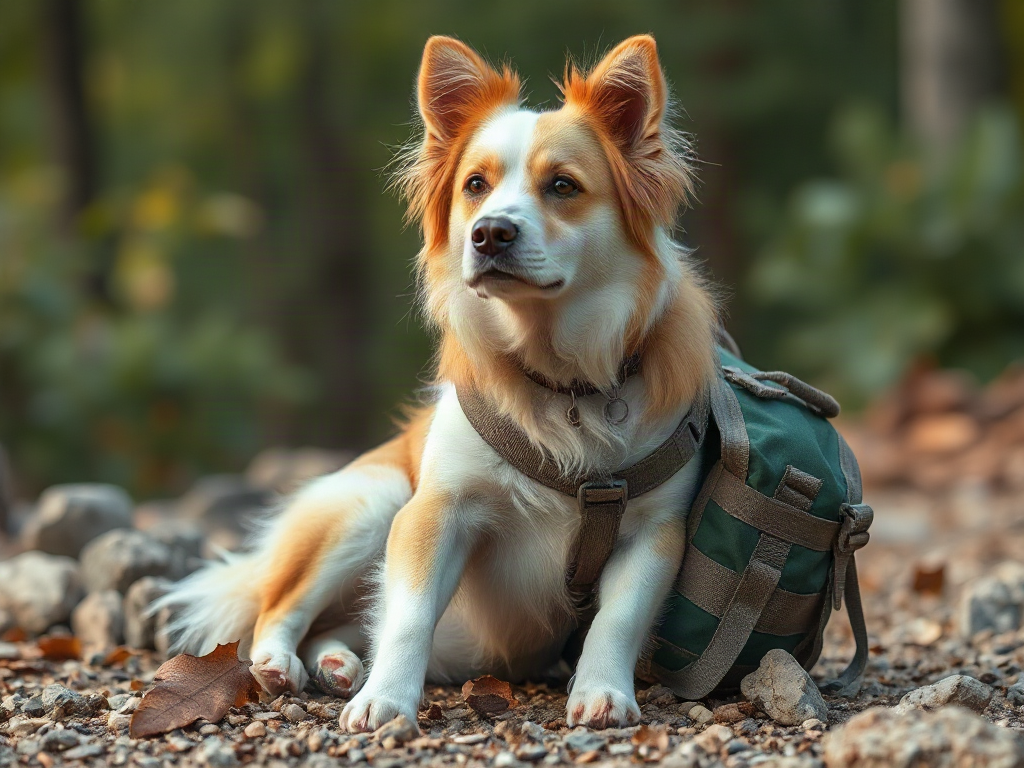
Dog carriers for hiking rest breaks should support the dog’s full body, provide generous ventilation, and remain stable while the hiker stands, walks, and loads the dog beside the trail. Choose the carrier by measured body dimensions and supported weight rather than breed label, then check the base, openings, internal tether, and shoulder or hip-belt adjustment. A useful setup lets a tired dog enter without being lifted awkwardly and prevents leaning, sagging, or restricted breathing. Test it on short walks before hiking, monitor heat and stress signals, and treat sudden fatigue, pain, or breathing trouble as a reason to stop rather than continue carrying.
When Does a Dog Need a Trail Carrier?
A trail carrier is most useful when a dog can walk part of a route but may need protected transport during a planned pause or an early return. Small dogs facing long mileage, senior dogs with reduced stamina, and dogs being gradually conditioned for hiking are common examples. A carrier can also keep a dog contained while the hiker handles water, checks paws, or waits for other trail users to pass.
Rest-related carrying should not be confused with pushing an exhausted dog farther down the trail. Fatigue may appear as repeated lagging, reluctance to continue, loss of normal coordination, persistent attempts to lie down, or failure to recover during a quiet break. Heavy panting can occur after exertion, but breathing that does not settle, unusual gum color, collapse, distress, or apparent pain calls for prompt veterinary guidance. Carrying may assist evacuation, but it does not resolve heat illness, injury, or breathing difficulty.
Consider the route as well as the dog. A flat woodland path with frequent shade offers more opportunities to stop, assess, and turn around than an exposed ridge or a route involving scrambling. Added carrier weight also changes the hiker’s balance and pace. If the dog and carrier together are too heavy to load and carry securely, a backpack does not become safe merely because its published capacity includes that weight.
For example, a small older dog may comfortably walk the first portion of a familiar loop and then ride during a quiet recovery interval. That is different from placing an unconditioned dog in a pack only after it becomes unable to continue on a remote route. The first plan anticipates limited stamina; the second relies on gear to compensate for poor route selection.
Before departure, decide where carrying would begin, how quickly the trail can be exited, and whether another person could help with loading. Shorter mileage, cooler timing, and a turnaround point are often more valuable than extra storage features. A common mistake is treating the carrier as permission to extend the hike. Its better role is to provide a controlled rest option within a conservative outing.
How Should a Hiking Carrier Fit?
Proper fit keeps the dog supported without forcing the spine, neck, or limbs into an awkward position. Measure body length according to the manufacturer’s method, standing height where relevant, chest dimensions, and current weight. Published size labels such as small or medium are not interchangeable across brands, and a breed example cannot account for an individual dog’s proportions.
The dog should be able to breathe freely and settle in the intended riding posture. In an enclosed backpack, the base should support the body rather than folding into a hammock under the dog’s weight. There should be enough interior space to avoid compression, but not so much empty room that the dog slides and strikes the sides as the hiker steps over roots. A structured floor panel can reduce sagging, although additional structure adds weight and may make the pack warmer.
Open-leg designs require especially careful evaluation. Leg holes, chest panels, and neck openings must not concentrate pressure when the dog’s weight settles downward. A design that looks comfortable while held on a table may pull differently after several minutes on the wearer. If the dog hangs from fabric instead of resting on a broad support surface, choose another design. Dogs with orthopedic, spinal, respiratory, or recovery-related needs should have the proposed carrying position discussed with a veterinarian.
Fit for the person matters at the same time. The load should remain close to the torso, and the shoulder straps should not carry all of the pressure if a functional hip belt is available. A chest strap can limit shoulder-strap drift, but it cannot correct a pack that is too long, too short, or poorly balanced. Walk, turn, step up, and bend slightly during fitting. Excessive swaying, pressure points, or a dog repeatedly shifting toward one side are signs that adjustment alone may not solve the mismatch.
Perform the first evaluation at home with another adult nearby. Load the dog at floor level, secure the intended closures, and support the pack as the wearer puts it on. Watch the dog’s posture and breathing for several minutes before walking. A successful fit produces stable support, normal breathing, and no rubbing around openings. Flattened posture, frantic repositioning, pinched fabric, persistent vocalization, or worsening panting means the test should end and the fit should be reassessed.
Which Carrier Design Works on the Trail?
The best trail design depends on whether the carrier is mainly emergency equipment, a routine mobility aid, or a stationary resting space. Backpack-style carriers keep the hiker’s hands free and place the load near the body, making them practical for defined trails. Soft-sided shoulder bags are generally less stable for uneven walking because the load can swing, while rigid crates are rarely practical to carry for meaningful hiking distances.
An enclosed backpack offers containment and protection from brush, but airflow must remain adequate on every side that could be blocked by the wearer or packed gear. Mesh area alone does not prove good ventilation; a panel pressed against clothing or covered by a rain shell cannot exchange much air. Dark fabric and direct sun may also increase heat inside. A weather cover should never seal the ventilation openings, and insulation from cold ground does not mean the carrier is safe in warm conditions.
Top openings can simplify loading for cooperative dogs, while a wide side or front opening may work better for a dog that should not be lowered vertically. Check whether the opening can be controlled before the final zipper or buckle is released. An internal tether may provide backup containment, but it should attach to a well-fitted harness rather than a collar. The tether should be short enough to discourage escape without forcing the dog into a strained position or creating an entanglement hazard.
Trail-facing details deserve more attention than decorative pockets. Inspect zipper security, seam condition, base stiffness, strap attachment points, and whether the pack can stand steadily when placed down. The carrier should not be left perched on a bench, rock, or slope with the dog inside. Set it on level ground, retain physical control, and avoid placing it where bicycles, feet, or loose dogs could approach unexpectedly.
A framed pack can transfer weight more effectively and preserve interior shape, but it is bulkier to store and may feel excessive for a very short outing. A collapsible model packs easily yet may sag or tip when removed. Compare these tradeoffs under the actual combined load, not with an empty display model. The common failure is selecting by maximum weight rating alone. That number does not describe posture, airflow, load control, opening security, or the wearer’s ability to negotiate uneven terrain.
Trail Setup and Practice Checklist
Carrier training should progress from voluntary investigation to brief, calm movement before the equipment reaches a trail. Place the open carrier on a stable floor and let the dog examine it without being forced inside. Once the dog willingly enters, practice closures for a few seconds, then lift the carrier correctly and walk indoors. Increase duration only while the dog remains settled and the wearer can maintain balance.
Move next to a short walk close to home with an easy exit. Include the same actions required during a hike: taking the pack off, placing it on level ground, opening it in a controlled way, offering water, checking paws, and loading again. A dog that tolerates sitting in a stationary pack may react differently to the rhythm of walking, trail noise, or movement behind the wearer. Practice reveals that difference before distance makes it difficult to respond.
Use this compact pre-hike check in the order shown:
- Inspect: Look for damaged mesh, loose stitching, worn buckles, contaminated bedding, or a base panel that no longer stays flat.
- Fit: Recheck the dog’s body clearance and the wearer’s shoulder, chest, and hip adjustments under the complete load.
- Secure: Confirm every zipper and buckle, attach any safety tether to a harness, and keep the dog’s leash accessible.
- Pack: Carry water for the dog, a small bowl, waste bags, identification details, and basic first-aid supplies without blocking airflow.
- Test: Walk briefly before leaving the trailhead and stop if the load shifts, the carrier sags, or the dog cannot settle.
At a rest point, choose shade and stable ground away from the main traffic line. Remove the pack using the manufacturer’s intended method rather than swinging it from one shoulder. Keep control of the dog before opening a large panel; wildlife, other dogs, or sudden trail activity can trigger an unexpected exit. Offer water in small opportunities and inspect paw pads, nails, harness contact points, and gait before deciding whether the dog should walk again.
Signs that the setup is working include a centered load, predictable breathing, relaxed posture, intact contact areas, and a hiker who can walk without compensating through the back or shoulders. Repeated clawing at mesh, uncontrolled shifting, rubbing, leakage from a water container, blocked vents, or the wearer stumbling indicate failure. Do not attempt to solve a structural problem by tightening every strap. Turn back, redistribute non-dog gear, or switch to assisted carrying only if it can be done safely.
Frequently Asked Questions
Should a dog stay inside the carrier for the entire rest break?
Not necessarily. On safe, shaded ground, a dog may rest more comfortably outside while leashed. The carrier is preferable when containment is needed, provided airflow, posture, and temperature remain comfortable.
Can I choose a hiking carrier using my dog’s weight alone?
No. Weight must remain within the maker’s limit, but body length, chest size, riding posture, base support, and the wearer’s capacity all affect fit and control.
Should the internal tether attach to a collar or harness?
Attach it to a well-fitted harness when the carrier instructions permit. A collar connection can place force on the neck if the dog lunges, shifts, or attempts to exit.
How can I keep a dog carrier cooler during a break?
Move to shade, uncover all ventilation panels, set the pack on a stable surface, and monitor the dog closely. Do not rely on mesh to offset hot weather or direct sun.
What if my dog suddenly refuses to continue hiking?
Stop and assess breathing, coordination, paws, temperature conditions, and signs of pain. Use the carrier only if loading and transport are safe; concerning or persistent symptoms warrant veterinary advice.
Conclusion
A hiking carrier works best as part of a conservative trail plan, not as a way to extend an outing after a dog has exceeded its capacity. Prioritize measured fit, a supportive base, unobstructed ventilation, secure openings, and stable load transfer to the wearer. Then test the complete setup at home and on short local walks, including loading and unloading beside the path.
Before each hike, inspect the carrier and choose a route with shade, turnaround options, and terrain the wearer can manage under the combined load. During breaks, watch posture, breathing, paw condition, and the pack’s stability instead of relying on a fixed schedule. If the dog shows sudden distress, poor coordination, pain, or failure to recover, end the outing and seek appropriate veterinary guidance rather than assuming more carrier time will solve the problem.