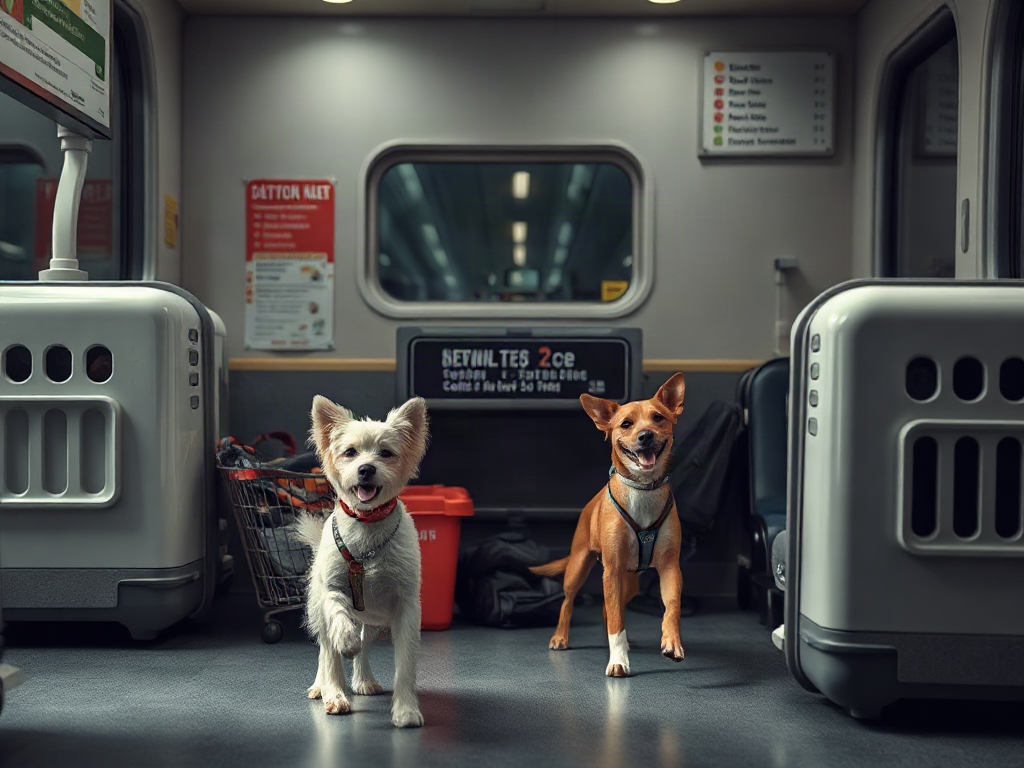
Travel crates for overnight train journeys should fit both the animal and the railway’s size rules while providing secure closures, steady ventilation, an absorbent floor, and enough room for normal posture changes. Confirm the operator’s pet policy before buying a crate because permitted animals, dimensions, storage locations, and sleeper access vary by route. Choose a model that remains stable when carried through narrow aisles and cannot be opened by a paw or shifting luggage. Before departure, rehearse quiet crate time at home, label the enclosure, and plan water, toilet, and cleanup needs around scheduled stops without opening it in an unsafe area.
Which Railway Rules Should You Check Before Choosing?
A crate is usable only when it complies with the policy for the exact train, route, accommodation, and operating company. Rail pet rules are not interchangeable with airline standards. A product described as “airline approved” may still exceed a railway’s permitted dimensions, and approval language on a product page does not establish acceptance by a train operator.
Check the operator’s official policy before reserving a ticket or purchasing equipment. Look for restrictions on animal species, combined pet-and-crate weight, maximum external dimensions, booking requirements, fees, and the number of animals allowed per passenger. Then confirm where the enclosure must remain. Some services may require it to stay on the floor, while others restrict pets from particular coaches, food-service areas, or sleeping accommodations. International services can involve different operators on successive legs, so every segment needs separate verification.
Ask the railway directly when its published wording does not address overnight service. A daytime pet allowance does not necessarily mean that an animal may enter a couchette, roomette, or private sleeper. Useful questions include whether the crate must remain closed for the entire trip, whether station platforms are the only permitted toilet locations, and whether passengers can reserve a private compartment with a pet. Keep a saved or printed copy of the applicable policy in case onboard staff need to verify the booking.
Dimension limits should be treated as external measurements, including wheels, handles, pockets, and protruding bowls unless the operator states otherwise. A soft enclosure may be easier to position beneath a seat, but it should not be assumed that flexible walls permit a nominally oversized bag. Compressing the roof against the animal reduces usable headroom and can obstruct mesh panels.
A common failure is choosing the most spacious model first and checking the train later. The better order is route policy, available floor space, animal fit, and then convenience features. If the published allowance is too small for the pet to stand and reposition normally, the responsible decision is to use another service or travel arrangement rather than forcing compliance with an undersized crate.
How Should the Crate Fit the Pet and the Train?
Good fit is the intersection of adequate internal space and manageable external size. The pet should be able to stand in a natural posture, lie comfortably, and turn around without being folded against rigid walls. At the same time, the enclosure must pass through station gates, carriage doors, narrow corridors, and the space assigned by the operator.
Measure the animal while standing rather than relying on weight labels. Record the length from the nose area to the base of the tail, standing height to the highest natural point, and width across the body. Compare those measurements with the crate’s internal dimensions, not merely its advertised exterior size. Thick padding, sloped walls, wheel housings, and reinforced frames can reduce the usable interior.
Hard-sided and soft-sided designs solve different problems. A rigid crate resists crushing when nearby bags shift and is easier to wipe after an accident. Its fixed footprint, however, can be awkward on steps and in compact sleepers. A structured soft-sided crate is lighter and may fit more easily in a constrained floor area, but it needs a firm base, claw-resistant mesh, and seams that do not collapse inward. An unstructured duffel-style bag is a poor overnight choice if the roof rests on the animal or ventilation disappears when it touches a wall.
| Feature | What to Check | Warning Sign |
|---|---|---|
| Interior fit | Normal standing, turning, and resting posture | Hunched stance or constant contact with every wall |
| Ventilation | Open airflow on multiple sides | Mesh blocked by bedding, curtains, or luggage |
| Base | Level, rigid, and moisture protected | Sagging floor or sliding liner |
| Closures | Secure latches or zipper clips | A paw can separate paired zipper pulls |
| Handling | Balanced lift with the pet inside | Twisting frame or painful strap pressure |
Test the loaded crate before departure. Add the animal, bedding, and any items that will remain inside, then carry it up a flight of stairs and through a doorway. Watch whether the base stays level and whether straps pull the sides inward. Wheels can help in a large terminal, but they add height and may become a liability on platform gaps or carriage steps. A detachable trolley is often easier to stow than permanently attached wheels, provided the railway allows both pieces.
The biggest misconception is that extra interior space is automatically safer. Excess room can let a pet slide when the train brakes, while too little room restricts posture and airflow. Aim for functional movement rather than empty volume, and never place loose luggage on top of a soft enclosure.
How Do You Prepare a Crate for a Full Night?
Overnight preparation should make the enclosure familiar, dry, quiet, and easy to service without creating loose hazards. Introduce it well before travel by placing it in a normal living area with the door secured open. Feed treats or regular meals near it, then progress to short closed-door sessions while the animal remains settled. A first extended confinement should not happen after boarding.
Increase practice gradually and include conditions that resemble rail travel. Carry the occupied crate briefly, set it beside ordinary household movement, and play low-volume station or train sounds if those noises do not distress the pet. Practice at the same evening hours the animal will spend aboard. Successful preparation looks like relaxed posture, voluntary entry, normal breathing, and the ability to rest. Repeated escape attempts, frantic scratching, heavy panting unrelated to temperature, drooling, or refusal to enter indicate that the plan needs reassessment.
Build the floor in removable layers. A stable, non-slip base should sit beneath an absorbent pad, with a thin familiar mat or washable cover above it. Carry replacements in a sealed bag where they can be reached without unpacking the compartment. Deep bedding consumes headroom and can bunch against ventilation panels. Loose toys, rigid bowls, and heavy chews may move when the carriage sways, so only include items that are appropriate for unsupervised confinement and cannot obstruct the animal.
Use this compact departure check:
- Identification: Attach the owner’s current phone number and destination without covering vents.
- Closures: Test every latch, seam, zipper clip, and attachment point.
- Cleanup: Pack spare liners, waste bags, wipes, and a sealable bag for soiled material.
- Water: Choose a secured, tested container and carry extra water separately.
- Access: Keep tickets, policy records, and pet documents outside the crate.
Food and water timing should reflect the animal’s established routine and individual needs rather than an improvised fast. Avoid a large unfamiliar meal immediately before boarding. Test any bottle or clip-on bowl at home because some bottles leak with vibration, while open bowls spill as the train moves. Animals with medical conditions, very young or senior pets, and those with prior travel distress may need individualized veterinary advice before a long rail trip. Do not give sedating medication unless a veterinarian has specifically assessed the animal and travel circumstances.
Managing Boarding, the Sleeper, and Arrival
Boarding is safest when the animal is secured before the platform becomes crowded. Complete the toilet break in a permitted area, place the pet inside the crate, verify every closure, and organize tickets and luggage before approaching the train. Opening the enclosure beside tracks, carriage doors, or an unfamiliar platform creates an avoidable escape risk even for animals that are dependable at home.
Reduce the number of separate objects you must control. A passenger carrying a crate, rolling suitcase, shoulder bag, and documents may not have a free hand for steps or handrails. Consolidate supplies and request station assistance in advance if the operator offers it. When boarding involves stairs, lift from the crate’s structural handles or base as designed; do not rely on decorative pockets or an untested shoulder strap.
Inside the sleeper or coach, place the crate in the approved position on a level surface. It should not block the aisle, door, emergency equipment, heating outlet, or another passenger’s space. Prevent it from sliding using the crate’s stable base or a non-slip mat, but do not attach it to railway fixtures unless staff explicitly permit that. Keep several ventilation faces clear. Draping a blanket over every side may reduce visual stimulation, yet it can also trap heat and impede airflow; a partial cover is safer only when the animal is comfortable and ventilation remains open.
Monitor quietly without repeatedly opening the door. Check breathing, posture, temperature around the enclosure, water leakage, and whether bedding remains dry. Normal train sounds and motion may cause brief alertness. Persistent agitation, overheating signs, vomiting, collapse, breathing difficulty, or behavior far outside the pet’s baseline requires prompt attention from onboard staff and, where necessary, veterinary help at the next practical stop.
Toilet planning is constrained by the timetable. Never assume every stop is long enough to leave the train, and do not step onto a platform without confirming departure time and reboarding instructions. Cats and other small animals may be safer using an absorbent setup inside the enclosure than being transferred in an unsecured place. Dogs that require an outside break need a secure harness and leash before the crate opens, plus a station stop that the operator confirms is suitable. A collar alone can slip under stress.
At arrival, wait until luggage and crowds are under control before opening the crate in a secure indoor area or designated relief location. Inspect paws, coat, bedding, hydration, and behavior. Clean and dry the enclosure promptly so odors do not become associated with future trips. Note what worked—such as stable placement and successful rest—and what failed, such as a leaking bottle or inaccessible supplies, before the next overnight booking.
Conclusion
A successful overnight rail trip is decided before reaching the station. Verify the exact route and accommodation rules, then select an enclosure whose internal dimensions support natural posture without exceeding the operator’s external limits. Test it fully loaded, secure its closures, and rehearse evening confinement gradually rather than treating the train as the first trial.
Pack for containment and cleanup, not for maximum comfort accessories: a stable absorbent floor, tested water setup, identification, spare liners, and accessible documents matter more than bulky bedding. Onboard, keep airflow clear, prevent sliding, and avoid opening the door in exposed areas. If the permitted crate is too small, the animal cannot settle during practice, or toilet and health needs cannot be met safely, change the service or travel plan instead of trying to make an unsuitable arrangement work.
Frequently Asked Questions
Can a pet stay in a crate for an entire overnight train trip?
That depends on the animal’s age, health, established crate tolerance, toilet needs, and the operator’s rules. A long first confinement is inappropriate; discuss the plan with a veterinarian when health or stress concerns are present.
Is a soft or hard crate better on a sleeper train?
A rigid model offers better crush protection and easier cleaning, while a structured soft model is lighter and easier to position. Choose according to permitted dimensions, usable interior room, ventilation, and the likelihood of nearby luggage shifting.
Can I open the crate inside a private compartment?
Only if the railway explicitly permits it and the compartment is fully secure. Staff entry, opening doors, and unfamiliar surroundings still create escape risks, so keeping the enclosure closed is often the safer default.
Should the crate be covered at night?
A partial, lightweight cover may reduce visual stimulation for a pet already accustomed to it. Never block all ventilation panels, and remove the cover if the enclosed area becomes warm or the animal appears uncomfortable.
What should I do if the pet will not settle during practice?
Shorten the session and return to calm, voluntary entry rather than forcing longer confinement. If distress persists or is severe, consult a veterinarian or qualified behavior professional before booking overnight rail travel.
Further Reading
Authoritative Sources
- Amtrak Pets Policy
amtrak.comOfficial information on eligible services, reservations, carrier limits, and other conditions for pets traveling on participating Amtrak routes
- National Rail: Train Travel With Pets
nationalrail.co.ukOfficial guidance for passengers checking pet access and conduct requirements across Britain’s National Rail network
- American Kennel Club: Traveling With a Dog on a Train
akc.orgPractical background on preparing a dog for rail transport and checking operator-specific restrictions before departure
- AVMA: Traveling With Your Pet FAQ
avma.orgVeterinary guidance covering health preparation, identification, documentation, and questions to consider before traveling with an animal