Instant Answer: Look for a pet carrier with adequate ventilation to ensure airflow and comfort. It should be sturdy and well-ventilated, with secure locking mechanisms to prevent escapes. Comfort features like padded interiors and easy access points are important for your pet's safety and ease of handling. Additionally, consider size and weight to ensure portability and enough space for your pet to move comfortably.
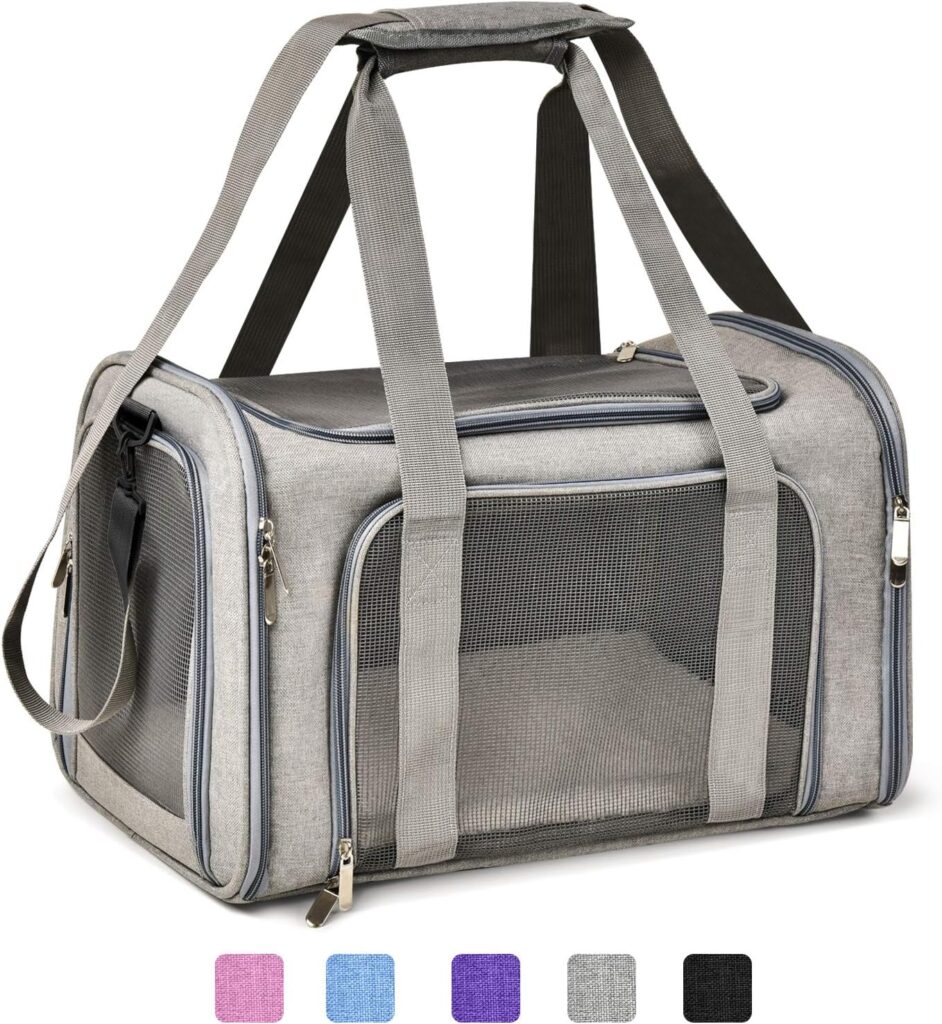
Table of Contents
- Key Features to Consider When Choosing Pet Carriers
- Size and Dimensions
- Material and Durability
- Ventilation and Visibility
- Security Features
- Portability and Ease of Transport
- Ease of Cleaning
- Design and Style
- Additional Features to Enhance Travel Experience
- Matching Your Lifestyle and Travel Needs
- Examples of Popular Pet Carriers by Use Case
- Conclusion
- Other Questions People Ask
- What are the best materials for a pet carrier?
- How do I choose the right size pet carrier?
- Are there specific pet carriers suitable for airline travel?
Key Features to Consider When Choosing Pet Carriers
Common Mistake: A lot of people assume that pet carriers is simple, but overlooking small details often leads to frustration. Avoid skipping the fundamentals!
Choosing the right pet carrier involves more than just picking a bag that fits your pet; it’s about finding a safe, comfortable space that makes travel less stressful for both of you. A well-designed carrier offers ample ventilation to keep your pet cool and alert, while sturdy construction ensures durability and security during transit. Features like padded interiors provide a cozy spot for rest, and easy access points make handling and cleaning simpler. Ultimately, the perfect carrier strikes a balance between lightweight portability and enough room for your pet to move comfortably, making every journey smoother and more enjoyable.
Size and Dimensions
One of the most critical factors when selecting a pet carrier is ensuring it is appropriately sized for your pet. A carrier that is too small can cause discomfort and stress, while one that is too large may not provide the necessary security. Measure your pet’s length from the tip of the nose to the base of the tail, and height from the floor to the top of the head or ears when standing. For example, a small dog like a French Bulldog typically requires a carrier measuring at least 18 inches in length, 12 inches in width, and 14 inches in height. Cats, on the other hand, generally need carriers around 17 inches long, 11 inches wide, and 11 inches high.
Always choose a carrier with enough room for your pet to stand, turn around, and lie down comfortably. Consider adjustable features or expandable sections that can accommodate growth or provide extra space during longer trips.
Material and Durability
The material of the carrier directly impacts its durability, weight, and ease of cleaning. Hard-sided carriers made from sturdy plastic or polycarbonate are ideal for secure transport and protection against impacts. For example, airline-approved hard carriers often feature reinforced corners and secure latches to prevent accidental openings. Soft-sided carriers, typically made from durable nylon or polyester with mesh panels, offer lightweight convenience and flexibility, making them perfect for car travel or quick trips.
Look for carriers with reinforced seams, high-quality zippers, and sturdy handles or shoulder straps. If your pet tends to scratch or chew, consider a carrier with reinforced panels or chew-resistant materials to prevent damage and ensure safety.
Ventilation and Visibility
Proper ventilation is vital for your pet’s comfort during travel. Carriers with multiple mesh panels or windows allow for excellent airflow and enable your pet to see their surroundings, reducing anxiety. For example, a soft-sided carrier with mesh on all sides provides 360-degree ventilation and allows your pet to observe their environment, which can be calming during stressful situations.
Additionally, visibility features such as transparent windows or openings help you monitor your pet without opening the carrier. This is especially useful during long journeys or in crowded environments like airports or train stations.
Security Features
Safety should always be a top priority. Look for carriers with secure locking mechanisms, such as sturdy zippers with locks or latch clips that prevent accidental openings. For airline travel, carriers must meet specific safety standards set by airlines and aviation authorities; check these before purchasing.
Some carriers include additional security features like internal harness attachments to keep your pet restrained during transit or reinforced corners to withstand rough handling. For example, a carrier with a built-in leash attachment inside ensures your pet remains secure once inside.
Portability and Ease of Transport
Consider how easy it is to carry or move the carrier. Features such as padded handles, adjustable shoulder straps, or wheels can significantly enhance portability. For instance, a soft-sided carrier with built-in wheels allows you to roll your pet through airports or busy streets effortlessly.
Weight is also an important factor—choose a lightweight carrier that doesn’t add unnecessary burden but remains sturdy enough to protect your pet. Collapsible carriers are convenient for storage when not in use and are often lighter than rigid models.
Ease of Cleaning
Travel can be messy; therefore, selecting a carrier that is easy to clean is essential. Removable and washable liners or cushions make maintenance simple. Hard-sided carriers often have smooth surfaces that can be wiped clean with a damp cloth, while soft-sided carriers with machine-washable fabric are ideal for quick cleanup after accidents or spills.
For example, a carrier with a removable fleece pad can be washed regularly to maintain hygiene and reduce odors.
Design and Style
While functionality is paramount, style can also influence your choice. Carriers come in various colors and designs—from sleek modern looks to playful patterns featuring paw prints or cartoon characters. Choose a design that reflects your personality while ensuring it meets all safety and comfort criteria.
Some brands offer customizable options or additional accessories like storage pockets for treats, toys, or documents, adding convenience during travel.
Additional Features to Enhance Travel Experience
- Storage Compartments: Extra pockets for storing essentials such as water bottles, leashes, or identification tags.
- Expandable Sections: Allows extra space when needed, providing more comfort during longer trips.
- Built-in Fans or Cooling Systems: For hot climates or extended travel, some carriers include cooling pads or fans to regulate temperature.
- Compatibility with Airline Regulations: Ensure the carrier complies with airline size restrictions and safety standards if flying is part of your travel plans.
Matching Your Lifestyle and Travel Needs
Your lifestyle plays a significant role in choosing the right pet carrier. For frequent travelers who fly often, investing in an airline-approved hard-sided carrier with secure locks and ventilation is advisable. If you prefer road trips or daily walks, a soft-sided carrier with comfortable straps and storage compartments might be more suitable.
If you have multiple pets or large animals like rabbits or guinea pigs, consider larger multi-compartment carriers designed specifically for small animals. For urban dwellers who navigate crowded streets and public transportation daily, lightweight carriers with wheels and collapsible features offer maximum convenience.
Examples of Popular Pet Carriers by Use Case
- Airline Travel: Sherpa Original Deluxe Carrier – known for compliance with airline standards, durability, and comfort.
- Car Trips: Petmate Two Door Top Load Kennel – offers excellent ventilation and secure locking mechanisms suitable for car travel.
- Daily Walks: K9 Sport Sack Air – a soft backpack-style carrier perfect for hands-free carrying during outdoor activities.
- Long-Term Housing: Large collapsible fabric carriers with multiple ventilation panels designed for extended stays at home or in kennels.
Conclusion
Selecting the right pet carrier involves balancing safety, comfort, convenience, and style tailored to your specific needs. By carefully considering factors such as size, material, ventilation, security features, portability, ease of cleaning, and additional functionalities, you can ensure a safe and pleasant journey for your beloved pet. Remember to involve your pet in the selection process when possible—observing their preferences can lead to happier travels for both of you. Investing in a high-quality carrier not only enhances safety but also makes every trip more enjoyable and less stressful for everyone involved.
Other Questions People Ask
What are the best materials for a pet carrier?
The best materials for a pet carrier depend on durability, comfort, and safety. Common options include sturdy plastic, metal, and soft-sided fabric carriers. Plastic carriers are easy to clean and provide good ventilation, while fabric carriers are lightweight and comfortable for pets. Metal cages are often used for airline travel due to their strength and security.
How do I choose the right size pet carrier?
To select the right size, measure your pet from nose to tail and add a few inches for comfort. The carrier should allow your pet to stand, turn around, and lie down comfortably. Check the manufacturer's sizing guidelines and opt for a slightly larger carrier if your pet is still growing. Proper sizing ensures safety and reduces stress during travel.
Are there specific pet carriers suitable for airline travel?
Yes, airline-approved pet carriers must meet specific size and ventilation requirements set by airlines. Typically, these carriers are hard-sided or soft-sided with secure latches and proper ventilation panels. It's important to check with your airline beforehand to ensure compliance with their regulations. Using an approved carrier helps ensure a smooth travel experience for your pet.