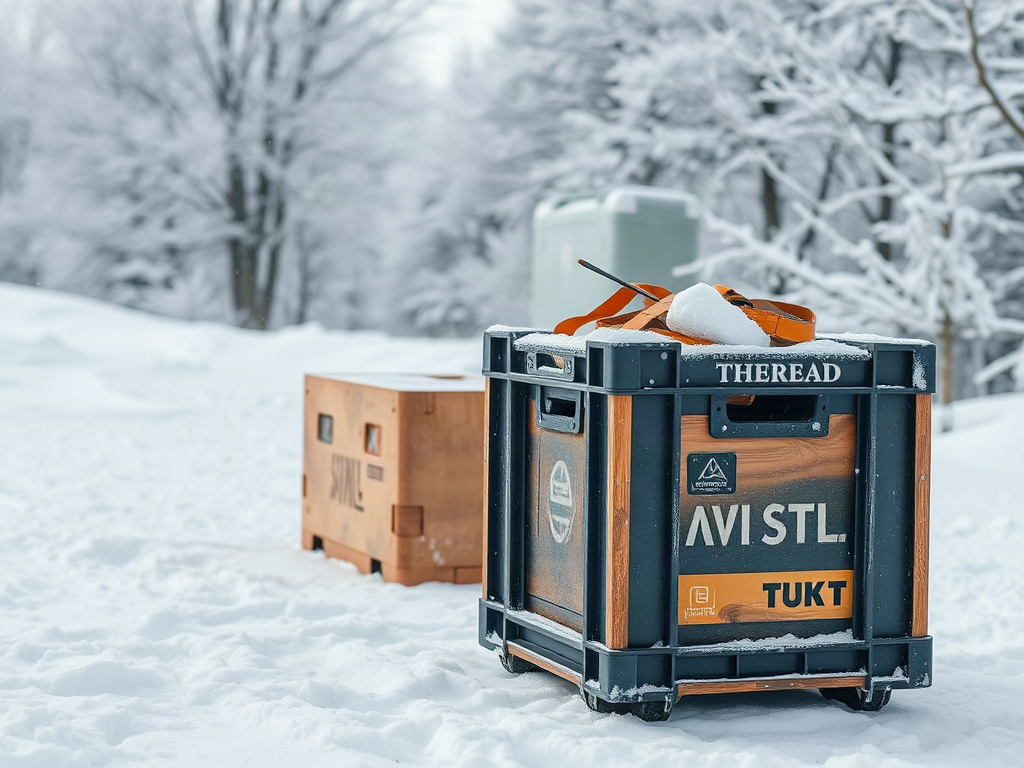
Travel crates for winter road trips should provide secure restraint, enough room for a pet to reposition, steady ventilation, and protection from cold surfaces without trapping heat. Place the crate inside the climate-controlled passenger area, anchor it against braking and turns, and use dry bedding rather than covering every ventilation opening. Check cabin temperature, bedding moisture, airflow, and your pet’s behavior at every stop. A winter-ready setup should also include familiarization before departure, accessible water, spare dry bedding, identification, and a contingency plan for breakdowns or delays in freezing conditions.
How Should You Choose a Winter Road-Trip Crate?
A suitable winter road-trip crate combines structural security with usable interior space. Your pet should be able to stand naturally, turn around, reposition, and lie down without being compressed against the door or walls. Extra space is not automatically safer: an oversized crate gives the animal more room to slide during abrupt braking, while a cramped crate restricts movement and may make a long drive uncomfortable.
Measure the animal rather than relying only on breed labels or advertised weight limits. Check standing height to the top of the head or ears, body length from nose to the base of the tail, and width across the shoulders. Compare those measurements with the crate’s internal dimensions, not its external footprint. Thick winter bedding also reduces usable height and floor area, so test the complete setup before departure.
Rigid plastic crates offer enclosed sides, easy-to-clean surfaces, and fewer fabric panels that can collapse inward. Wire crates provide broad visibility and airflow but expose the occupant more directly to drafts and cold windows. Soft-sided models may suit calm, smaller animals when they have a strong frame and reliable vehicle attachment points, but they offer less protection from shifting luggage and chewing. The best choice depends on the pet’s size, behavior, trip length, and the available anchor locations in the vehicle.
Door and latch design deserve close inspection. A door should close without flexing away from the frame, and the latch should not sit where a paw or nose can easily manipulate it. Examine seams, fasteners, ventilation openings, and any signs of chewing or cracking. A crate that works around the house may still be unsuitable for vehicle use if it lacks a practical way to resist movement.
Familiarity matters as much as construction. Several short sessions with treats, meals, or quiet rest can reveal whether the pet pants, scratches, drools, attempts to escape, or settles comfortably. Follow with short drives before committing to a full winter itinerary. Assuming a household crate will feel familiar in a moving, vibrating vehicle is a common mistake; motion, road noise, and restricted visibility can change the animal’s response.
Where and How Should the Crate Be Secured?
The crate belongs in a stable part of the climate-controlled cabin where it cannot become a projectile or be struck by loose cargo. A rear seat or cargo area connected to the passenger compartment may work, depending on vehicle layout, crate size, and the manufacturer’s restraint instructions. Open pickup beds, roof carriers, and unheated exterior compartments expose pets to wind chill, road debris, exhaust, and rapidly changing temperatures.
Start by placing the crate on a level surface. Route a seat belt or appropriate tie-down through structural attachment points specified for the crate rather than around a weak door, handle, or ventilation panel. Tighten the restraint enough to limit forward, sideways, and rotational movement without deforming the enclosure. Push firmly from several directions after installation; noticeable sliding or tipping indicates that the setup needs adjustment.
Vehicle airbags create another placement constraint. Do not position a crate in front of an active airbag unless the vehicle manufacturer explicitly permits that arrangement. Front passenger areas can also expose the animal to direct heater output and more severe temperature swings from the windshield. Check the vehicle manual for seat-folding, cargo-anchor, and airbag information rather than assuming every attachment loop is intended to restrain substantial loads.
Surrounding cargo must be secured independently. A suitcase, snow shovel, water container, or set of tire chains can injure an animal if it slides into the crate during a sudden stop. Leave ventilation panels unobstructed and prevent straps from crossing the door in a way that delays access. In an emergency, an occupant should be able to open or remove the enclosure without first unloading the entire vehicle.
Consider a medium-size dog traveling in an SUV. Placing the crate sideways behind loose luggage may fit conveniently, but it leaves the broad side vulnerable to impact from shifting bags. A better arrangement uses the flattest available surface, approved cargo anchors, and a separate barrier or restraint for luggage. Test visibility through the rear window as well; a secure setup should not create a new driving hazard.
The weak assumption here is that a heavy crate will remain still under its own weight. Ordinary cornering may not expose the problem, while emergency braking can. Installation should therefore be checked when the vehicle is parked, again after the first few miles, and whenever cargo is rearranged.
How Do You Balance Warmth and Ventilation?
Winter comfort depends on the environment inside the crate, not simply the temperature shown on the dashboard. Cold glass, floor panels, drafts near doors, direct heater airflow, damp bedding, and sunlight through a window can create conditions that differ from the driver’s seat. Place a hand near the crate’s ventilation openings during stops and check the bedding rather than judging solely by how the cabin feels.
Use a dry, nonslip base that cushions the pet from a cold platform without making standing unstable. A fitted crate mat or layered washable bedding is usually easier to manage than a deep pile of loose blankets. Carry a replacement set in a sealed bag. Snow on paws, spilled water, drool, or an accident can turn absorbent bedding into a cold, damp surface that should be changed promptly.
A partial cover may reduce glare and drafts for some animals, but it must not block the primary airflow openings or prevent observation. Covering every side to “hold in heat” can restrict air exchange and hide panting, vomiting, tangled bedding, or attempts to escape. If a cover is used, secure it so it cannot be pulled through the bars or slide over the door. Remove or reposition it when the cabin becomes warm.
Direct heat is not a reliable substitute for steady cabin temperature. Avoid placing the enclosure immediately in front of a floor vent, portable heater, or heated object that the pet cannot move away from. Warm air aimed continuously at one side may cause panting even while the vehicle remains cold elsewhere. Preheat the occupied cabin to a comfortable, moderate level, then use the vehicle’s normal climate controls to maintain consistency.
Behavior provides useful feedback. Persistent shivering, tightly curled posture, reluctance to settle, or unusually cold ears and paws may indicate discomfort, while heavy panting, agitation, excessive drooling, or repeated repositioning can signal excessive warmth, stress, motion sickness, or another problem. Those signs are not diagnostic. Stop safely, assess the setup, and contact a veterinarian when concerning behavior persists or the pet appears unwell.
Never treat a parked vehicle as dependable winter shelter. Cabin temperatures can change after the engine is turned off, and idling introduces additional safety and mechanical concerns. When stopping for food or lodging, plan how the pet will remain supervised and climate-controlled. A reflective windshield shade or insulated cover cannot replace active monitoring.
Preparing for Stops, Delays, and Emergencies
A winter crate setup must remain workable when the trip takes longer than expected. Snow, collisions, road closures, mechanical trouble, and crowded rest areas can turn a routine drive into hours of waiting. Pack critical pet supplies where they can be reached from the cabin or an accessible cargo door, not beneath luggage that may be frozen shut or difficult to unload roadside.
Plan stops around the individual animal’s normal bathroom, hydration, feeding, and medication needs. Young, older, anxious, or medically managed pets may need a different schedule from healthy adults. Large meals immediately before a winding drive may be poorly tolerated by some animals, while withholding water for convenience can create another problem. A veterinarian can help owners plan around known motion sickness, chronic disease, medication timing, or cold sensitivity.
At each safe stop, inspect more than the latch. Confirm that tie-downs remain tight, bedding is dry, vents are clear, and the pet is alert and behaving normally. Check paws after walking on snow or treated pavement, then dry them before re-crating. Keep the leash attached before opening the crate door if the vehicle door or hatch is also open; an unfamiliar, noisy rest area is a poor place to depend on recall.
A compact winter crate checklist should include:
- Identification: current tag information, microchip details if applicable, and a recent photo.
- Crate supplies: spare bedding, cleaning materials, waste bags, and a secure water container.
- Outdoor handling: leash, harness or collar, towel, and paw-cleaning supplies.
- Trip continuity: food, water, necessary medication, and extra supplies for delays.
- Vehicle contingency: charged phone, emergency contacts, route alternatives, and pet-accepting lodging options.
A useful drill is to imagine that the vehicle cannot run for several hours. Determine how you would keep the pet sheltered, transfer the crate, reach supplies, and contact assistance without opening the enclosure beside traffic. Small animals may be moved in their secured crate if its handles and structure are designed for carrying; a large dog crate may require a separate leash-and-harness transfer plan.
Waiting until departure morning to test the arrangement is the most avoidable failure. Load the actual crate, bedding, luggage, and emergency equipment in advance. Confirm that doors close, the driver retains visibility, passengers have usable seat belts, and the pet can enter without climbing over unstable cargo. A setup is working when the enclosure stays fixed, the interior remains dry and temperate, and the animal settles without persistent distress. Repeated sliding, blocked airflow, wet bedding, or escalating agitation means the plan needs revision before the next long segment.
Conclusion
Winter road-trip preparation should begin with fit, secure installation, and a stable cabin environment. Measure the pet and the crate interior, test the restraint from several directions, isolate the enclosure from loose luggage, and rehearse short drives before departure. During the trip, use dry nonslip bedding, preserve ventilation, avoid concentrated heater airflow, and assess conditions at the crate rather than relying only on the dashboard display.
Pack for a delay instead of the ideal itinerary. Spare bedding, accessible water, identification, handling equipment, medication, and a safe transfer plan make disruptions easier to manage. Before the next long drive, load the complete vehicle and correct any sliding, blocked vents, poor access, or signs that the pet cannot settle. Persistent distress or health concerns warrant advice from a veterinarian rather than an improvised road solution.
Frequently Asked Questions
Should a winter travel crate be covered?
A breathable partial cover can reduce drafts and visual stimulation, but the main ventilation openings and door should remain clear. Secure the cover so the pet cannot pull it inside, and remove it if the crate becomes warm.
Is a plastic or wire crate better in cold weather?
Plastic crates provide more enclosure from drafts, while wire crates offer greater airflow and visibility. Choose according to the pet, vehicle, and restraint options; bedding and cabin climate matter more than material alone.
Can a pet crate go in an unheated cargo area?
A climate-controlled passenger area is generally the safer choice. Unheated or exterior cargo spaces may expose the animal to cold, wind, exhaust, debris, and conditions the driver cannot monitor.
How often should I check the crate during a winter drive?
Inspect it at every planned stop and sooner if the pet becomes unusually restless, vocal, quiet, or distressed. Check the restraint, airflow, bedding, water, and the animal’s behavior each time.
Can I leave my pet crated in a parked car during winter?
A parked vehicle should not be treated as reliable shelter. Cabin conditions can change quickly after the engine is turned off, so arrange supervised, climate-controlled stops instead.
Further Reading
Authoritative Sources
- Cold Weather Animal Safety
avma.orgThe American Veterinary Medical Association outlines cold-weather concerns that can inform winter travel preparation and monitoring
- Winter Driving Tips
nhtsa.govThe National Highway Traffic Safety Administration provides vehicle and emergency-kit guidance for winter road conditions
- Car Safety
ready.govReady.gov explains how to prepare a vehicle emergency kit for breakdowns, severe weather, and unexpected delays
- APHIS Pet Travel
aphis.usda.govUSDA APHIS provides official planning information for pet travel, particularly when a route crosses national borders