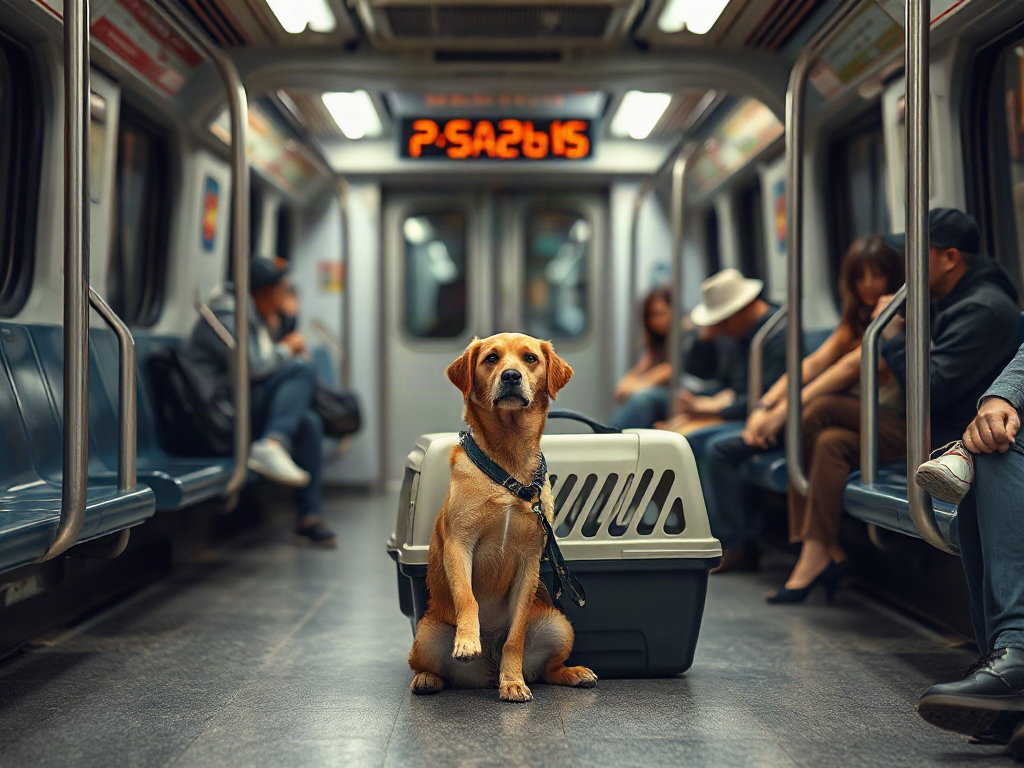
Pet carriers for crowded public transit should be compact, escape-resistant, well ventilated, and manageable without blocking aisles or neighboring seats. Choose a model that gives the animal room to reposition while remaining within the transit operator’s size and containment rules. Secure every zipper, use an internal tether only with a properly fitted harness, and keep the carrier closed on vehicles and platforms. Before boarding, practice short enclosed trips, check the floor panel and handles, and plan a route with fewer transfers.
What Makes a Carrier Ready for Crowded Transit?
A transit-ready carrier combines secure containment with a footprint that one person can control through gates, doors, stairs, and packed vehicles. A large carrier may feel generous at home but become difficult to keep close when passengers are moving around it. The useful size is the smallest enclosure in which the pet can stand naturally, turn around, and settle without being compressed.
Structure matters as much as dimensions. A soft-sided carrier can fit close to the handler’s body and may be easier to position beneath a seat, but weak fabric, sagging mesh, or an unsupported base can allow the animal’s weight to distort the bag. A rigid carrier protects against incidental bumps and holds its shape, yet it is usually more awkward on narrow stairs and may strike other passengers when carried at thigh level. Backpack styles free both hands, although the wearer cannot continuously see the pet and may accidentally swing the carrier while turning.
Ventilation should remain exposed when the carrier is held against clothing or placed near a wall. Mesh on only one face can become ineffective if that face is covered. Look for airflow on multiple sides, a stable floor insert, covered seams, and openings too small for paws or claws to push through. A privacy panel can reduce visual stimulation for some animals, but covering every vent risks heat buildup. A better arrangement preserves several open ventilation zones while partially shielding the busiest sightline.
Transit conditions also put unusual stress on closures. Zippers can migrate when a pet repeatedly presses against them, and hook-and-loop flaps may separate under sustained force. Zipper clips, locking zipper pulls, or another deliberate secondary closure reduce that risk. Internal tethers should connect only to a harness, never a collar, and should be short enough to prevent an animal from reaching an open door. The tether does not make opening the carrier in a station safe.
Before buying or using a carrier, check the specific operator’s current rules. Some systems require full enclosure, limit carrier dimensions, restrict animals during certain periods, or permit only small pets unless they are service animals. A product description such as “travel approved” does not establish acceptance by a local bus, subway, tram, or rail operator. Measure the assembled carrier yourself and confirm how the operator expects it to be stored.
How Should You Check Fit and Security?
Fit should be assessed with the pet inside the fully assembled carrier, not from a weight label alone. Weight limits describe what the materials may support; they do not account for body length, shoulder height, or posture. A long, light cat may need more usable floor space than a compact dog of the same weight. Conversely, excess room lets an animal slide when a bus brakes or a train changes speed.
Place the carrier on a level floor and observe the pet without forcing a pose. The animal should be able to enter through the intended opening, stand without prolonged crouching, turn without becoming wedged, and lie in a normal resting position. The roof may touch fur, but it should not press the head or back downward. A carrier that bows sharply, tips when the animal turns, or collapses around the shoulders is not functioning at its stated dimensions.
Next, simulate transit handling at home. Close and secure every opening, lift the carrier with the handles you intend to use, walk through a doorway, make a controlled turn, and set it down gently. The floor should remain level rather than folding toward the center. Shoulder straps must not allow the bag to swing below your control, and backpack straps should hold the carrier close enough to avoid exaggerated movement. Test these points with two hands available before adding a phone, fare card, or luggage.
A short pre-departure check catches the failures that product specifications miss:
- Closures: Run each zipper through its full path and engage secondary clips or locks.
- Panels: Check mesh, stitching, seams, and corners for chewing, claw damage, or separation.
- Base: Confirm that the floor insert is flat, dry, and correctly seated.
- Harness connection: If used, attach the short internal tether to a fitted harness after the pet is inside.
- Handling points: Inspect handles, strap anchors, buckles, and wheels before leaving home.
Absorbent lining can manage a minor accident, but thick loose bedding may bunch up and reduce stability. Use a flat, washable pad that does not cover vents or interfere with the door. Food bowls, toys, and heavy accessories can become sliding objects during abrupt movement; reserve them for longer stops unless they can be safely fixed in place.
A common mistake is assuming that a calm pet cannot escape. Startle responses can appear suddenly when doors hiss, brakes squeal, or another animal approaches. Secure containment should not depend on temperament. Signs that the setup is failing include repeated tipping, a bowed base, open zipper gaps, exposed torn mesh, or a pet that cannot adopt a stable resting posture.
Boarding and Riding Without Obstructing Others
Successful boarding depends on keeping the carrier close, level, and out of the passenger flow. Prepare payment or a transit card before reaching the gate so the carrier does not have to be set down beside moving feet. When possible, use an accessible gate or wider entrance rather than forcing a rigid case through a narrow turnstile. Elevators may reduce jostling on stairs, but platform conditions and service availability still need to be checked.
Wait away from platform edges and boarding lines until the vehicle is ready. On a bus, allow exiting passengers to clear before lifting the carrier across the threshold. On a train, watch the horizontal and vertical gap; small wheels and dangling straps can catch near doors. Carry wheeled models over gaps rather than pulling them behind you, and secure or shorten unused straps before entering.
Inside the vehicle, the carrier belongs on your lap, securely between your feet, or in another location expressly allowed by the operator. It should not occupy an adjacent seat, protrude into an aisle, block a door, or reduce access to priority seating. A carrier between the feet is often more stable than one hanging from a shoulder, provided the handler maintains control and passengers can pass safely. Avoid placing it where another rider could step on a mesh panel.
Movement changes what feels secure. A bus may brake abruptly, while a train can sway laterally through curves. Brace the carrier with a hand or lower leg without crushing ventilation panels. If seated, orient the long side against your legs to limit sliding. If standing, keep one hand available for a rail and the other controlling the carrier; a shoulder bag that requires both hands to stop swinging is poorly suited to that trip.
Transfers deserve more planning than the time spent onboard. A route with one longer ride can be easier than a faster itinerary involving several crowded platforms and stair changes. When schedules allow, traveling outside peak periods reduces close contact and improves the chance of finding a stable position. That is a practical advantage, not permission to use more floor space than the rules allow.
Do not open the carrier to soothe, feed, or reposition the pet in a station or vehicle. An animal can clear a partially opened door before the handler reacts, especially after a loud announcement or sudden crowd movement. If the pet needs attention, leave the transit environment and find a secure enclosed location. Persistent escape attempts, abnormal weakness, repeated vomiting, pronounced breathing difficulty, or collapse warrant ending the trip and seeking appropriate veterinary help rather than continuing toward the original destination.
How Do You Prepare a Pet for Noisy, Crowded Rides?
Preparation works best when the carrier becomes a familiar resting place before it becomes part of a noisy journey. Leave it open at home with a stable pad and allow voluntary entry. Meals or small rewards can be offered near the entrance and then farther inside, provided the pet remains comfortable. Closing the door should come only after the animal can settle inside without being forced.
Build duration and movement separately. First close the carrier briefly while it remains on the floor, then reopen it before agitation escalates. Later, lift it for a few seconds, walk across a quiet room, and practice smooth set-downs. A pet that tolerates confinement may still react poorly to swinging, tilting, or the sensation of being carried. Separating those elements makes it easier to identify the trigger.
The next stage should resemble transit without beginning on a packed commuter vehicle. Walk through a quiet hallway, wait near a building entrance, or take a short trip during a calm period if the operator’s rules permit it. Increase only one challenge at a time: duration, noise, foot traffic, or transfers. Moving from a stationary home exercise directly to a crowded platform gives the pet no gradual experience with announcements, vibrations, strangers, or braking.
Look for behavior relative to the individual animal’s normal baseline. Brief alertness after a sound may resolve quickly. More concerning patterns include nonstop panting when heat is not the apparent cause, repeated forceful scratching, biting at mesh, sustained vocalization, heavy drooling, inability to settle, or frantic turning. Cats may become very still rather than visibly struggling, so immobility alone does not prove comfort. Check posture, breathing, and responsiveness through the mesh without opening the enclosure.
Weather and station design can change a manageable trip into a poor choice. Enclosed platforms, direct sun, crowded buses, and delayed service may increase heat exposure, while cold drafts can affect very small, short-coated, young, elderly, or medically vulnerable animals. Never seal vents to control temperature. If safe thermal conditions cannot be maintained from door to door, postpone the trip or use another transport option.
Sedatives should not be improvised for transit. Medication effects vary by animal and may affect balance, breathing, temperature regulation, or the ability to respond normally. A veterinarian can assess whether travel medication is appropriate and explain how it should be tested and administered. Behavioral preparation cannot guarantee comfort, but it reveals whether the planned carrier, handling method, and route are workable before the pet is surrounded by passengers.
Frequently Asked Questions
Is a soft or hard carrier better for public transit?
Soft carriers are usually easier to hold close and position in limited space, while hard carriers offer more impact protection and resist collapse. Choose according to the pet’s escape behavior, carrier fit, route layout, and the transit operator’s rules.
Can a pet carrier be placed on an empty transit seat?
Do not assume an empty seat may be used. Many operators expect carriers to remain on the passenger’s lap, between the feet, or in a designated area. Confirm local policy and keep aisles and priority spaces clear.
Should the carrier be covered on a crowded train?
A partial cover may reduce visual stimulation, but ventilation openings must remain unobstructed. Monitor temperature and breathing, and never wrap the carrier so completely that airflow or observation becomes difficult.
What should I do if my pet panics during the ride?
Keep the carrier closed, move away from congestion when safely possible, and exit at an appropriate stop. Seek a secure indoor location before opening it. Severe breathing difficulty, collapse, or repeated vomiting requires prompt veterinary attention.
Are wheeled pet carriers practical on buses and trains?
They can reduce carrying effort on smooth concourses but are awkward on stairs, gaps, curbs, and crowded vehicles. Choose one with a reliable brake and lifting handles, then carry it across thresholds instead of rolling it through doors.
Further Reading
Authoritative Sources
- AAHA Pet Health Resources
aaha.orgPet-health guidance from the American Animal Hospital Association
- ASPCA Pet Care
aspca.orgHumane animal care, behavior, and safety resources
Conclusion
Public transit exposes a carrier to tight entrances, abrupt movement, noise, and close contact that may never occur during ordinary home use. Prioritize secure closures, multi-sided ventilation, a level base, and dimensions that fit both the animal and the operator’s rules. Test the loaded carrier through lifting, turning, and set-downs before relying on it at a station.
Route choice and handling can matter as much as the product. Prepare payment in advance, avoid blocking passenger space, keep the enclosure closed, and choose fewer transfers or quieter travel periods when practical. Gradual home practice should reveal whether the pet can tolerate confinement and motion without escalating distress. If fit, structural integrity, temperature control, or the animal’s response remains questionable, change the setup or transport plan before attempting a crowded ride.