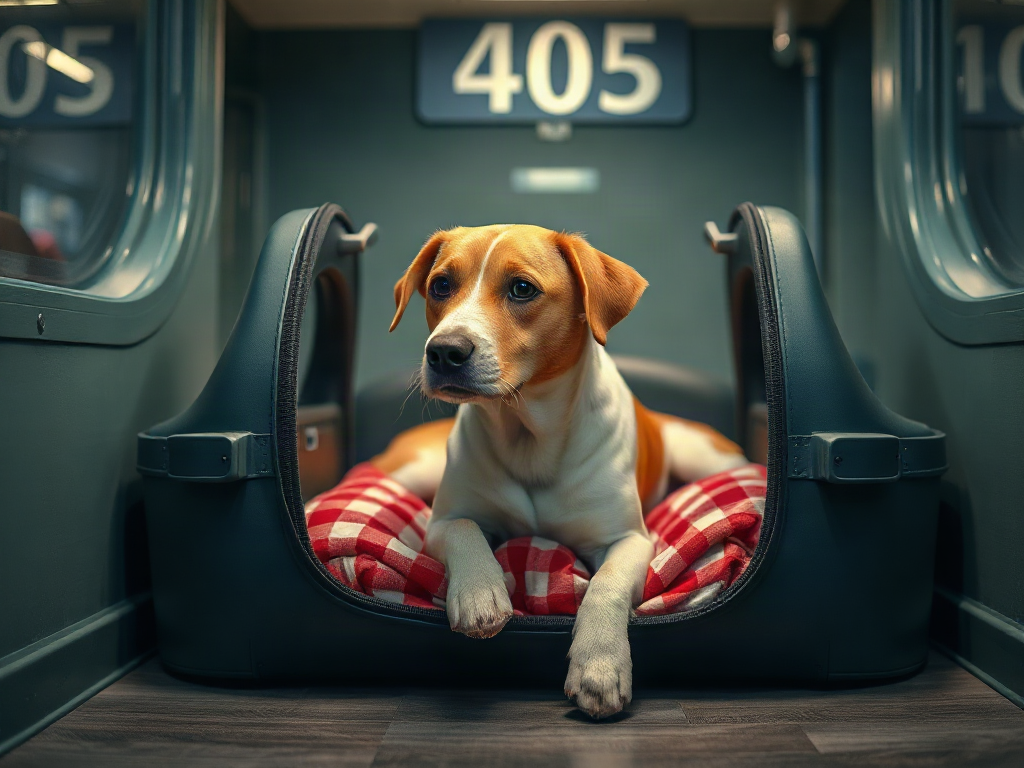
Pet carriers for dogs recovering from surgery should provide a level, supportive floor, low-stress entry, reliable ventilation, and enough usable space to protect the incision without allowing unsafe movement. Measure the dog while wearing any prescribed cone or recovery garment, and check that the carrier does not press against bandages, drains, or the surgical area. A rigid crate often suits dogs needing maximum stability, while a structured soft carrier may work for smaller dogs if its base does not sag. Confirm lifting, positioning, and travel restrictions with the veterinary team because acceptable movement depends on the procedure and the dog's condition.
What Should a Recovery Carrier Provide?
A post-surgery carrier needs to control movement without forcing the dog into a cramped or painful posture. The floor should remain flat under the dog’s weight, the walls should not collapse inward, and the doorway should permit entry without a high step or sharp turn. These details matter because a dog that slips, braces, or twists during loading may place avoidable strain on a healing area.
Usable interior space is more important than the dimensions printed on a product label. A dog should generally be able to lie in the position permitted by the veterinary team without the incision rubbing against a wall. Extra room is not automatically safer, however. A carrier that is much too large may let the dog slide during braking or repeatedly turn around when activity is supposed to be restricted.
The required shape depends partly on the surgical site. After an abdominal procedure, avoid a low ceiling or narrow doorway that makes the dog crouch deeply. A dog recovering from limb surgery may need a broad, non-sagging floor and a straight path through the opening. After spinal or orthopedic procedures, handling restrictions can be especially specific; ask the veterinary team to demonstrate how the dog’s body should be supported before attempting carrier loading.
Check the following features before relying on a carrier:
- Stable base: The floor stays level when the carrier is lifted and does not bow between support points.
- Accessible opening: A wide front, top, or removable-roof opening reduces twisting and struggling.
- Protected hardware: Zippers, clips, and exposed edges do not contact the wound, cone, or bandage.
- Ventilation: Air openings remain unobstructed when the carrier is placed in the vehicle.
- Washable surface: Bedding and floor liners can be changed promptly after urine, drainage, or vomiting.
A thick, plush bed may appear comfortable but can create an unstable surface or trap heat. A thin nonslip pad over a firm base is often easier to monitor and replace. Use only bedding that does not bunch beneath the dog, and do not add a loose pillow that changes the dog’s posture. The carrier is working as intended when the dog can settle without sliding, panting from trapped heat, or repeatedly contacting the sides.
How Should You Measure Carrier Fit After Surgery?
Measure the dog in the equipment that will actually be worn during transport. An Elizabethan collar can substantially increase the space needed around the head, while a padded bandage may increase limb width and alter how the dog lies down. Measurements taken before surgery or without prescribed recovery equipment can produce a carrier that technically fits the dog but fails during the first trip home.
Record body length from the front of the chest to the rear of the body rather than relying only on nose-to-tail length. Note standing height, shoulder width, and the diameter and forward reach of the cone. Then compare those measurements with the carrier’s interior dimensions. Exterior measurements can include wheels, frames, pockets, and molded walls that do not provide usable room.
| Fit Check | Acceptable Sign | Warning Sign |
|---|---|---|
| Floor support | Base remains level under the dog | Center sags or pad slides |
| Door clearance | Dog enters without twisting | Cone, bandage, or hip catches |
| Resting position | Dog can assume the approved posture | Wound presses against a wall |
| Interior space | Room to settle with limited shifting | Dog can tumble or pace inside |
| Ventilation | Openings remain clear in use | Bedding or vehicle seat blocks mesh |
Perform a dry fit before the day of travel when the veterinarian has not prohibited that handling. Place the empty carrier on a stable floor, secure the base pad, and open every intended loading panel. Do not coax a painful dog through repeated practice entries. The purpose is to identify clearance problems, not to conduct a training session during recovery.
Weight limits require separate attention. A stated maximum does not show whether the floor remains rigid near that limit or whether a shoulder strap can keep the carrier level. Lift the empty carrier with representative weight inside before placing the dog in it. If the base tilts, handles pinch the sides inward, or fasteners strain, choose a more supportive option.
The common mistake is buying a larger size to solve every fit concern. More length may increase sliding, and more height does not correct a narrow doorway. Prioritize the dimensions connected to the dog’s incision, mobility restriction, and recovery equipment. If the cone cannot fit safely, ask whether another veterinarian-approved protective device is appropriate rather than removing prescribed protection solely to make the carrier close.
Is a Hard Crate or Soft Carrier Better?
A rigid crate generally provides better structural protection and floor stability, while a well-built soft carrier is lighter and may offer easier top access. Neither construction is universally appropriate. The better choice is the one that maintains the dog’s approved posture, supports safe loading, and remains stable in the vehicle.
Hard-sided crates are often practical for dogs that must not be compressed by flexible walls. A removable top can allow two people to lower a small dog onto the base without pushing the dog through a front door. Molded surfaces are also easier to wipe after an accident. Their drawbacks include weight, bulky handling, and hard interior edges that require a secure, thin liner.
Soft-sided carriers can suit smaller dogs after less mobility-limiting procedures, particularly when a wide top panel permits controlled placement. Look for a reinforced base rather than fabric stretched over a flexible insert. Mesh improves airflow and visibility, but it can bow inward or catch nails if the dog paws at the sides. Expandable panels should usually remain closed in transit unless the manufacturer specifically permits their use and the expanded section is fully supported.
Strollers, slings, and backpacks are not direct substitutes for a stable recovery carrier. A sling can concentrate pressure under the abdomen, and a backpack places the dog at an angle while the person walks. A stroller may reduce carrying effort for a dog cleared for that position, but it still needs a flat compartment, secure enclosure, controlled entry, and careful handling over curbs. Wheeled carriers can transmit vibration and may tip when pulled quickly.
Consider the trip itself. For a short veterinary recheck, a small dog may be easiest to place through the top of a structured soft carrier and carry level with two hands. A heavier dog with orthopedic restrictions may be safer in a rigid crate positioned in the vehicle before loading, provided the clinical team has approved the transfer method. Large dogs may need a vehicle crate, ramp, stretcher, or coordinated two-person lift rather than a conventional handheld product.
Do not assume an airline-approved label establishes suitability for surgical recovery. Such labeling addresses a different use case and does not confirm wound clearance, base rigidity, or compatibility with a cone. Evaluate the carrier against the dog’s current physical limitations, not its marketing category.
How Do You Load and Secure a Recovering Dog?
Loading should minimize bending, jumping, and sudden weight shifts. Prepare the carrier and vehicle before bringing the dog to the doorway: place the liner flat, open the correct panel, clear the route, and arrange help if the dog cannot be kept level by one person. Rushing while holding the dog is a frequent cause of awkward repositioning.
Follow procedure-specific instructions from the veterinary team. A dog after routine soft-tissue surgery may have different handling limits from one recovering from spinal, joint, or fracture repair. If a two-person lift is recommended, one person may need to support the chest while the other supports the pelvis, keeping the body aligned. That technique should be demonstrated for the individual dog rather than improvised from general advice.
- Park on level ground and prevent the vehicle door from swinging into the loading area.
- Position and secure the carrier so it will not need to be moved with the dog inside whenever that is practical.
- Use the widest approved opening and keep collars, cones, bandages, and drains clear of latches.
- Close each fastener while checking that fabric and fur are not trapped.
- Drive smoothly and inspect the dog’s position before departure and after any abrupt stop.
Inside the vehicle, the carrier should resist tipping, sliding, and rotation. Use the manufacturer’s designated vehicle attachment points if provided. Routing a seat belt through a handle that was not designed for crash restraint may deform the carrier or cause it to pivot. Place the unit where ventilation remains open and where airbags will not create an additional hazard; consult the vehicle and carrier instructions because attachment methods differ.
Never place a recovering dog loose in the cargo area simply because there is more room to lie down. Unrestrained space allows sliding during turns and makes it harder to prevent jumping when a door opens. Holding a carrier on a passenger’s lap is also unstable during sudden braking. For a product without a credible vehicle-securement method, a properly positioned vehicle crate or another veterinarian-compatible transport arrangement may be the safer alternative.
Signs that the setup is failing include repeated sliding, frantic repositioning, the cone striking the roof, labored or unusual breathing, increasing agitation, or visible pressure on the surgical area. Stop safely rather than trying to adjust the dog while the vehicle is moving. Contact the veterinary clinic promptly when behavior or physical signs suggest pain, breathing difficulty, wound trouble, or a decline from the discharge condition.
Cleaning, Monitoring, and Warning Signs
A recovery carrier should make the dog easy to observe and the resting surface easy to replace. Use a light-colored, absorbent liner when appropriate so fresh blood, drainage, urine, or vomit is easier to notice. Place absorbent material beneath a nonslip top layer rather than leaving a slick disposable pad directly under the dog’s feet.
Inspect the carrier before and after every trip. Feel for damp areas, sharp plastic, broken wires, exposed zipper parts, and shifted floor inserts. Check whether disinfectants or fragranced cleaners leave residue that could irritate the dog or encourage licking. Follow the carrier manufacturer’s cleaning directions, rinse removable surfaces when required, and allow the unit to dry fully before reuse.
Monitoring should focus on change rather than an assumed universal recovery pattern. Note whether the dog can settle, whether breathing appears comfortable, and whether the incision remains free from direct pressure. Watch for new swelling, opening of the incision, active bleeding, unusual discharge, marked weakness, collapse, repeated vomiting, or difficulty breathing. These findings warrant veterinary direction rather than a carrier adjustment alone. The discharge paperwork and clinic contact instructions should take priority over general transport advice.
Temperature management is another practical constraint. Mesh does not guarantee adequate airflow if the carrier is wedged against luggage or covered by a blanket. Conversely, directing strong cold air at a recently anesthetized or lightly coated dog may be uncomfortable. Keep the vehicle at a moderate cabin temperature, maintain open ventilation panels, and never leave the dog unattended in a parked vehicle.
A carrier can appear clean while retaining a failed setup. If the liner repeatedly bunches, the floor insert bends, or the dog cannot settle without touching the wound, replacing accessories will not correct the underlying fit problem. Move to a more rigid or differently shaped enclosure. If the dog persistently fights confinement, do not use sedatives or extra medication unless specifically directed by the veterinarian; agitation may reflect pain, nausea, overheating, fear, or poor fit.
Keep the carrier available throughout the restricted-activity period only if it remains appropriate as recovery changes. A cone may be removed later under veterinary direction, bandage dimensions may change, and mobility may gradually improve. Recheck fit after each meaningful change instead of assuming the initial configuration remains correct.
Frequently Asked Questions
Should a recovering dog be able to stand inside the carrier?
That depends on the procedure and the veterinarian's movement restrictions. The dog needs an approved resting posture without wound pressure, but enough height to stand is not helpful if it encourages prohibited turning or pacing.
Can I put a dog in a carrier while it is wearing a cone?
Yes, if the cone fits without bending, catching on the door, blocking ventilation, or pressing the dog's head downward. Do not remove prescribed protection merely to close the carrier without first contacting the clinic.
What bedding is suitable after surgery?
A thin, washable, nonslip layer over a firm base is usually easier to stabilize and inspect than deep bedding. Follow discharge instructions if the wound, bandage, or procedure requires a particular surface.
Can a dog travel loose on a vehicle seat after surgery?
Loose travel permits sliding, turning, and jumping when doors open. Use a stable enclosure or another restraint arrangement approved for the dog's procedure and compatible with the vehicle.
When should I call the veterinarian during transport?
Contact the clinic promptly for breathing difficulty, collapse, active bleeding, an opening incision, marked weakness, repeated vomiting, unusual discharge, or a clear decline from the condition described at discharge.
Conclusion
Select the carrier around the dog’s current restrictions rather than its usual travel habits. Begin with the surgical site, approved body position, cone or bandage dimensions, and the transfer method demonstrated by the veterinary team. Then verify floor rigidity, doorway clearance, ventilation, cleanability, and secure vehicle placement.
Test the empty setup before travel and correct sagging, blocked mesh, sliding liners, or awkward access before the dog is loaded. A larger enclosure is not necessarily safer, and a familiar carrier should be replaced if it presses on the wound or permits uncontrolled movement. Keep discharge instructions and the clinic’s contact details accessible during every trip. If the dog cannot settle, develops concerning physical signs, or cannot be moved without twisting or struggling, pause the trip when safe and obtain veterinary guidance rather than forcing the existing arrangement to work.